
Farmers are on the frontlines of the climate crisis.
Rising temperatures, unpredictable rainfall, and extreme weather events are already affecting crops, livestock, and rural livelihoods.
As traditional farming practices alone are no longer enough to maintain productivity and sustainability, adopting innovative approaches can help farms adapt and thrive in a changing climate.
The impact of the climate crisis on agriculture
The agricultural sector is highly sensitive to climate change.
Farmers face multiple challenges, including:

Rising temperatures and droughts that reduce yields and affect livestock.

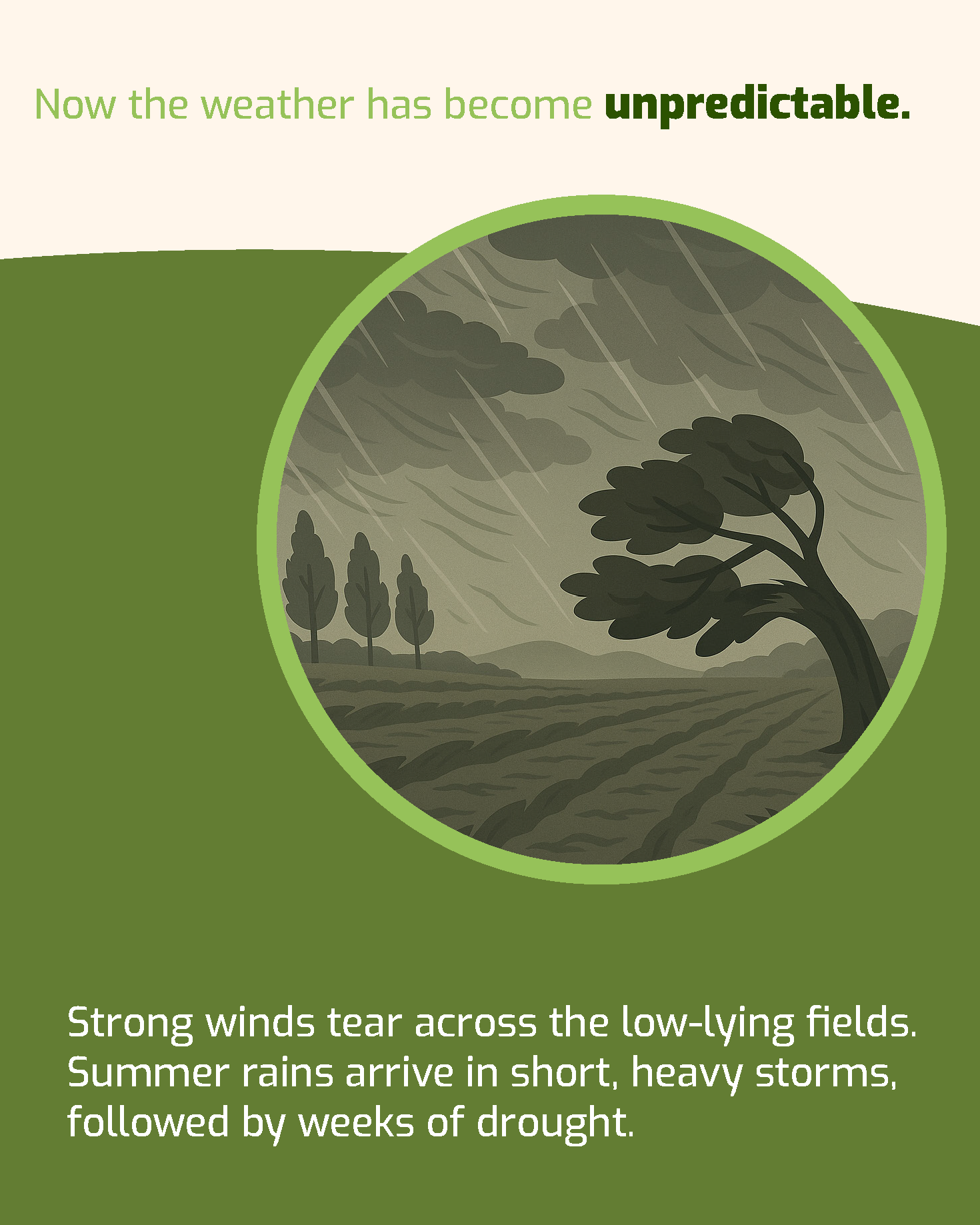
Extreme rainfall and flooding that damage fields and infrastructure.

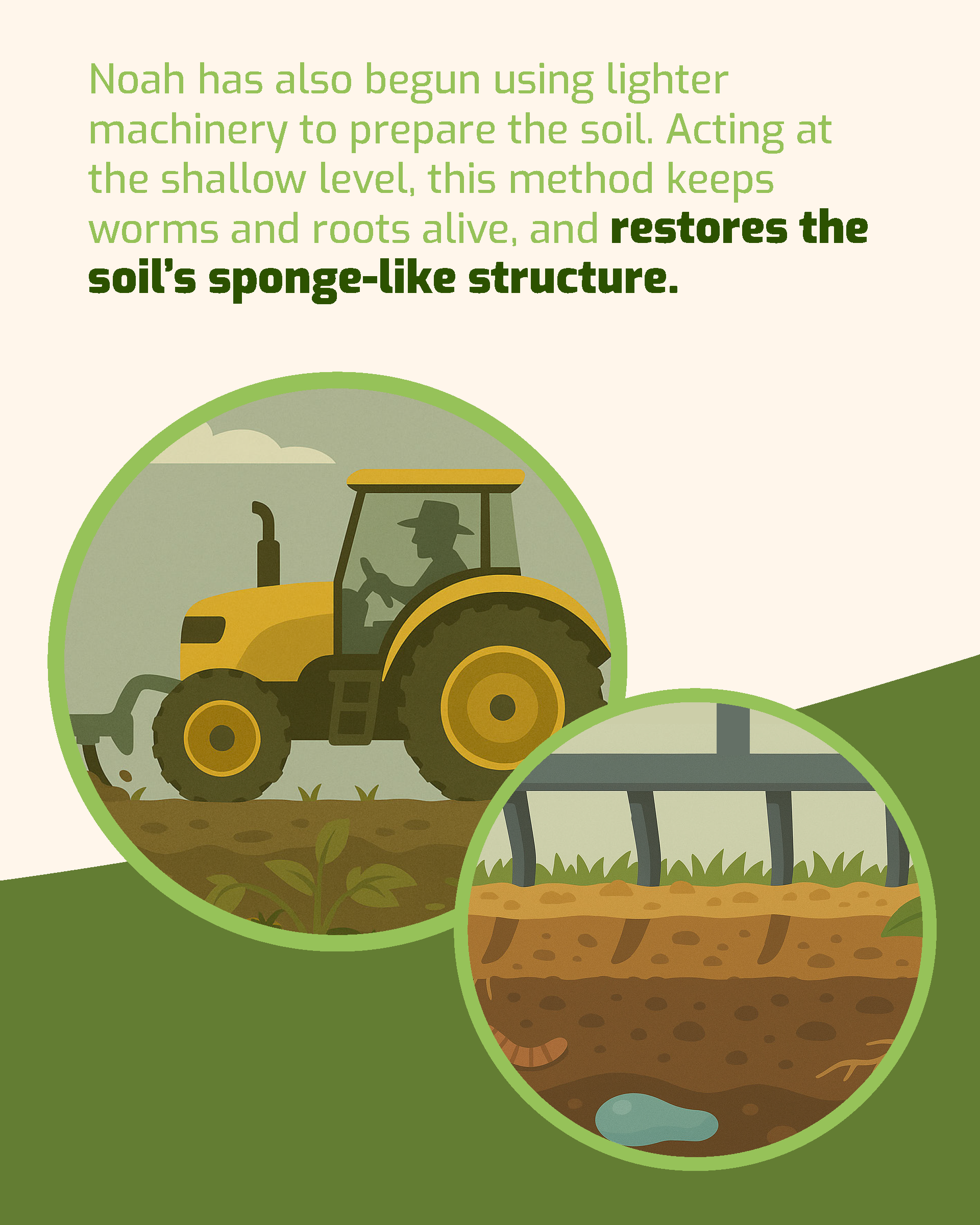
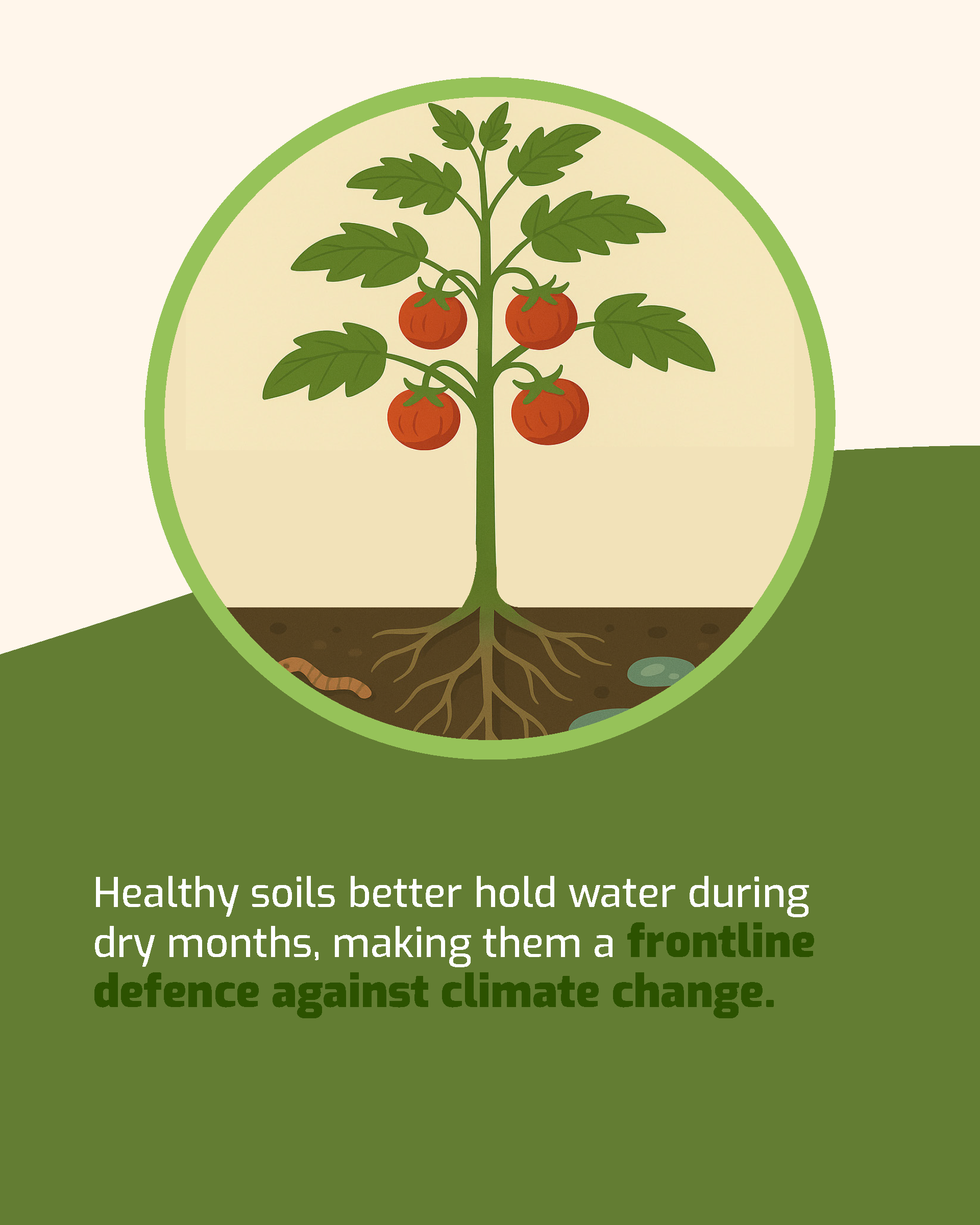
Soil degradation and water scarcity that threaten long-term productivity.

Economic pressures on farmers, particularly smallholders, who must adapt quickly to survive.
These pressures highlight the urgent need for approaches that make agriculture more resilient, productive, and sustainable.
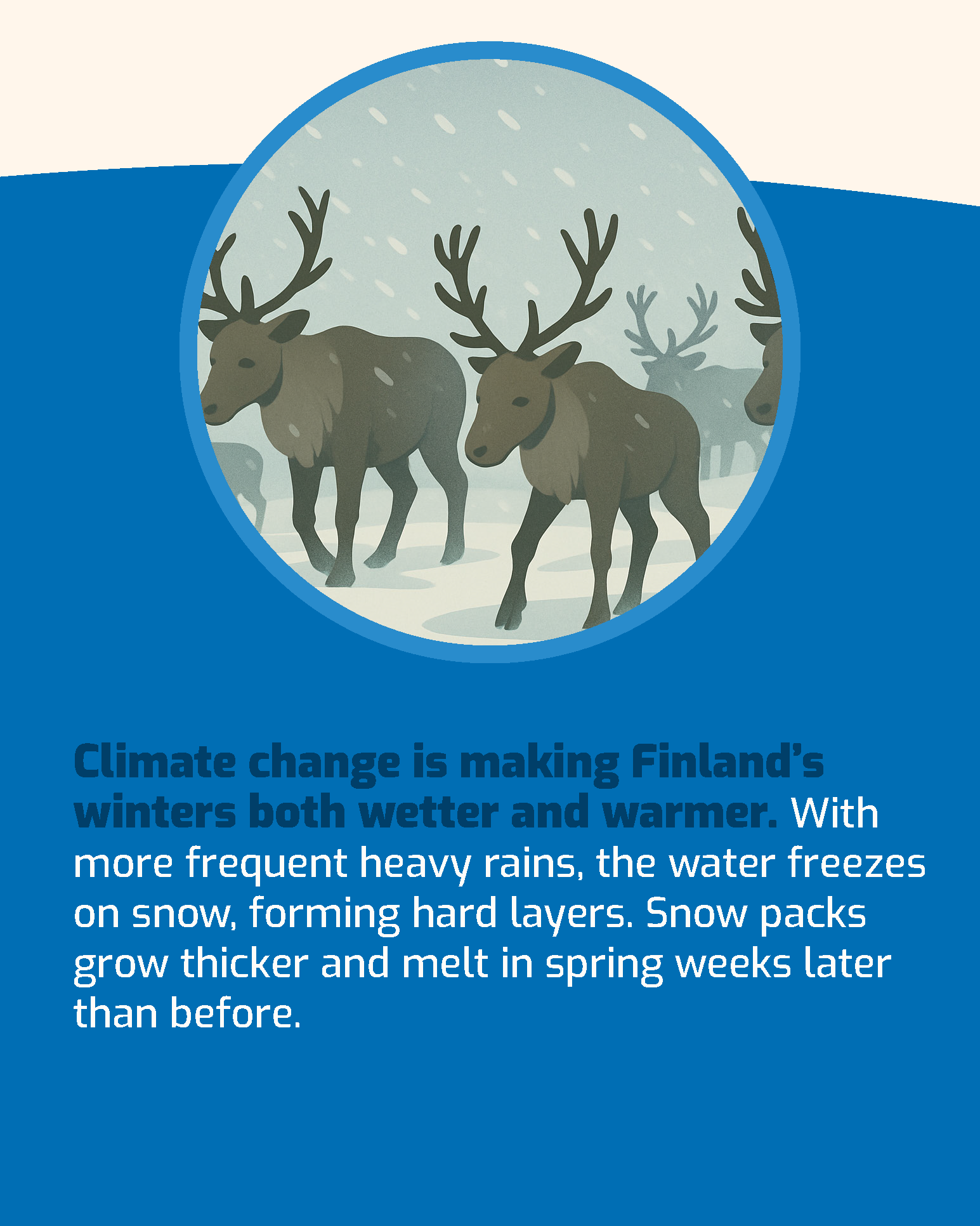
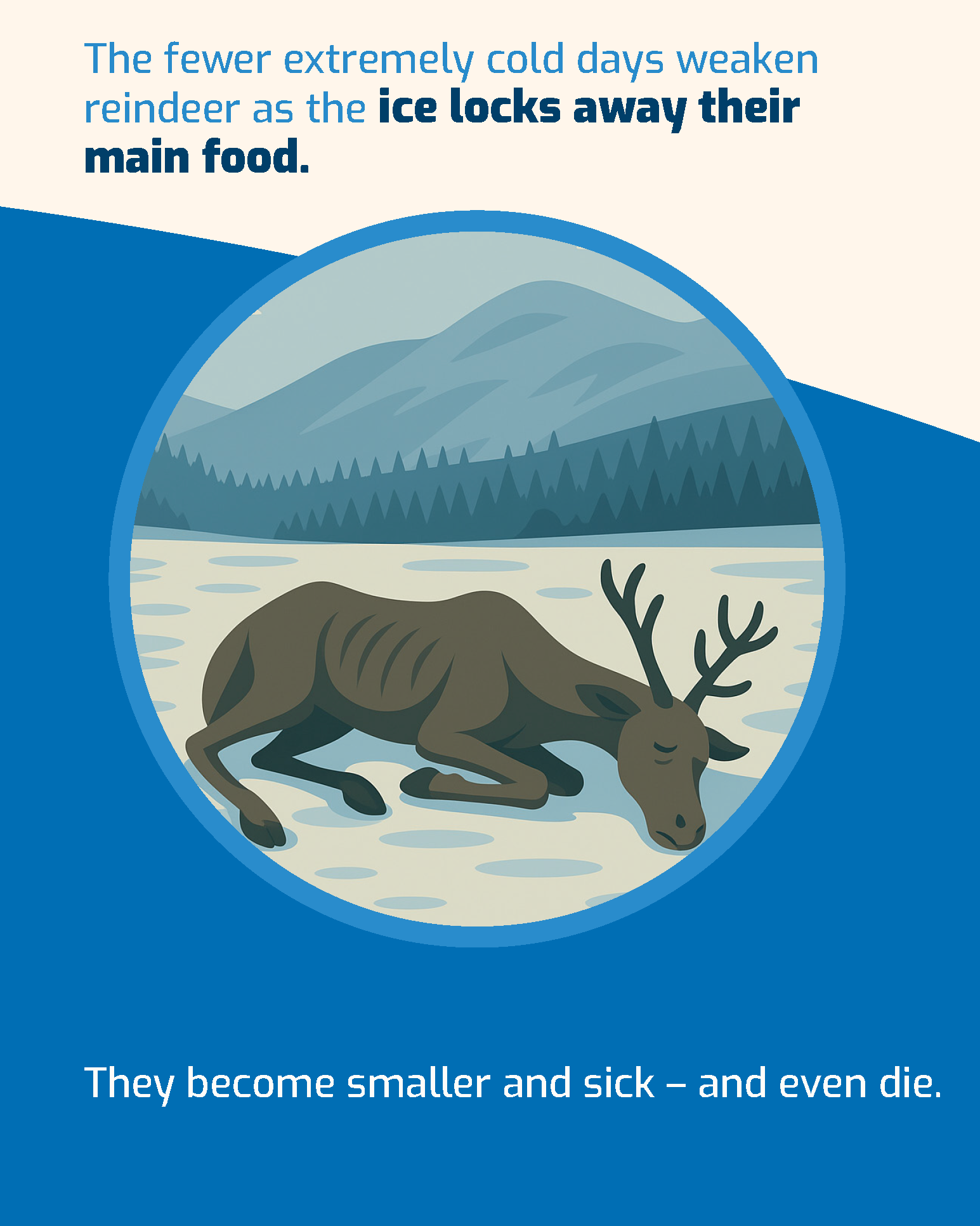
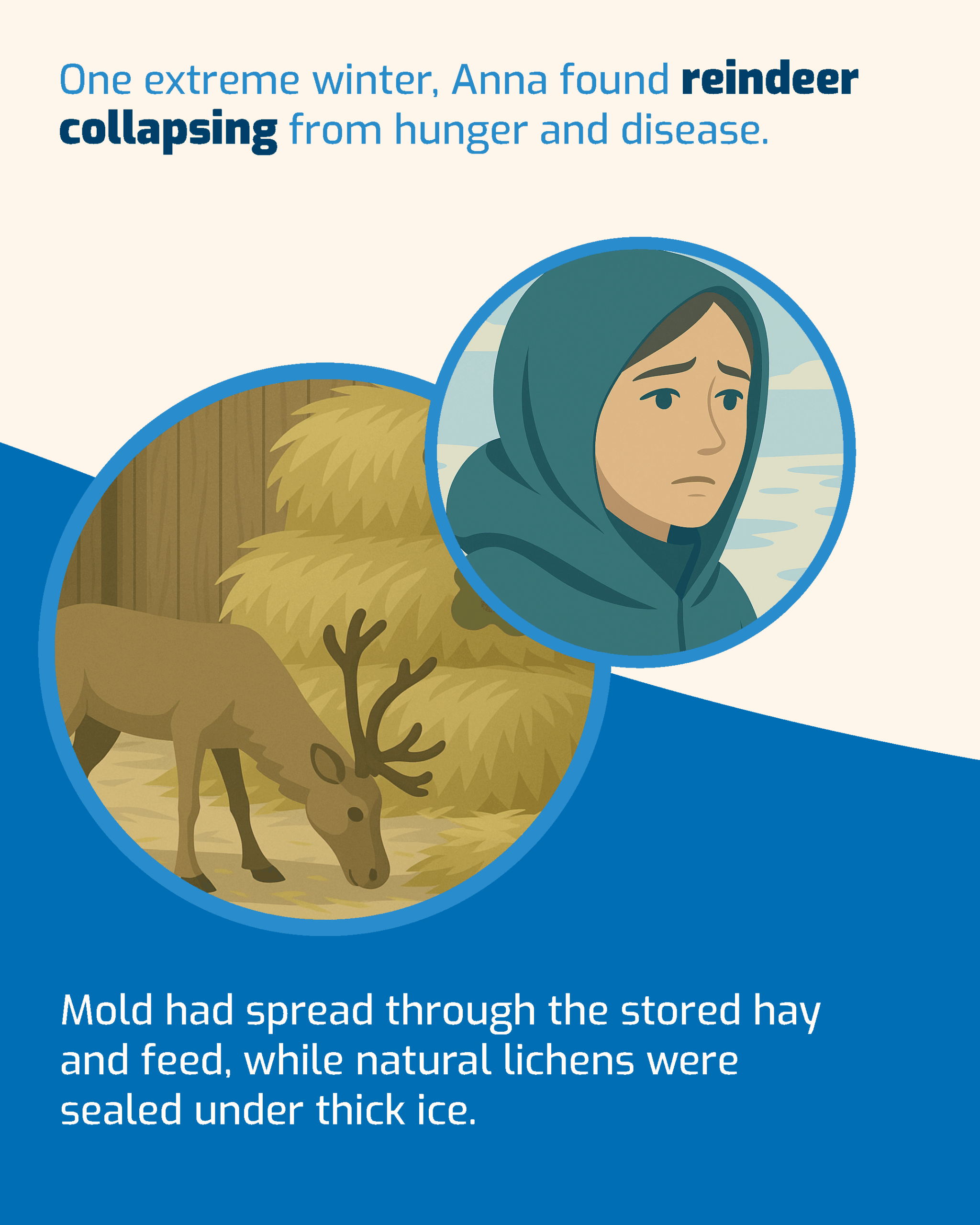
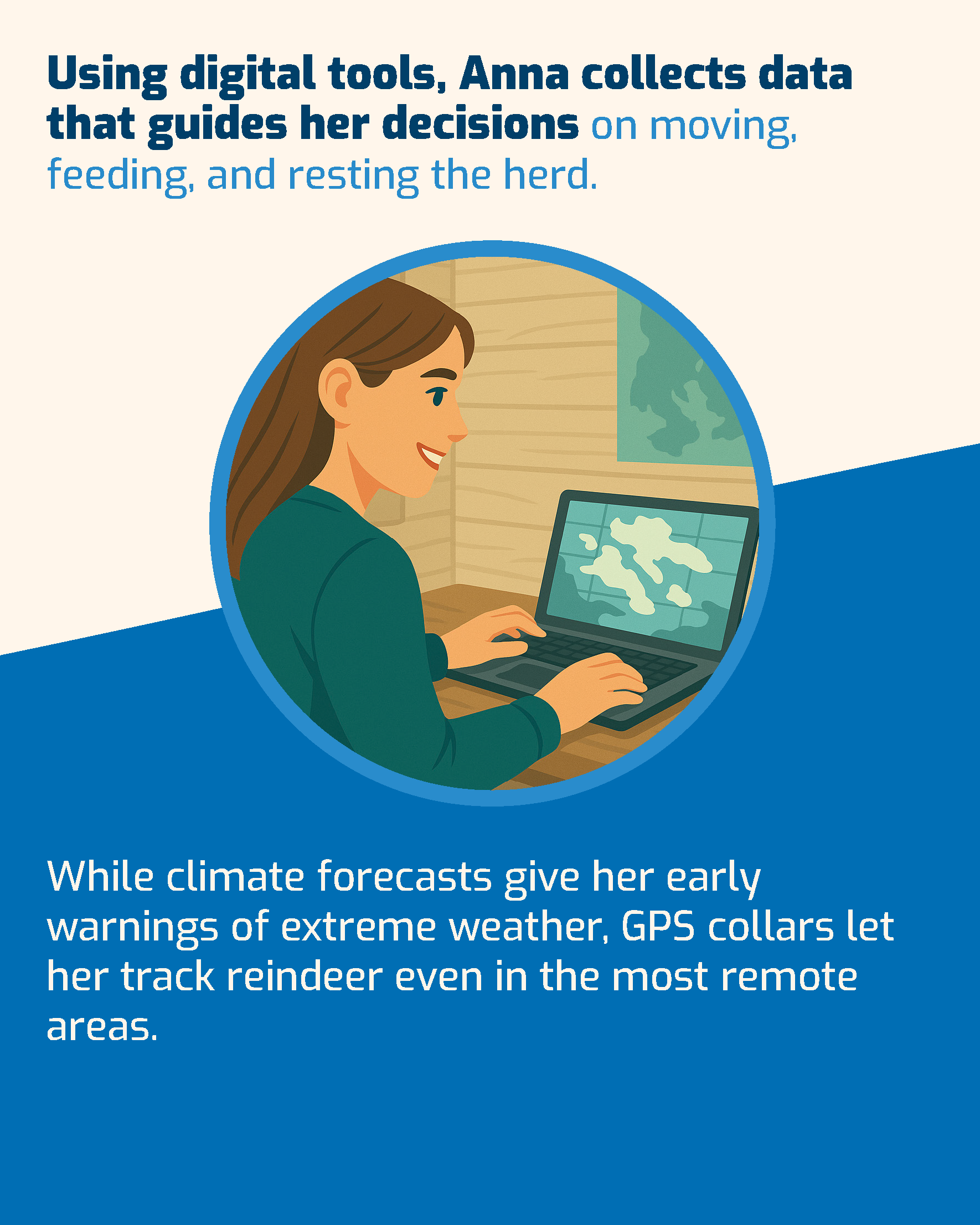
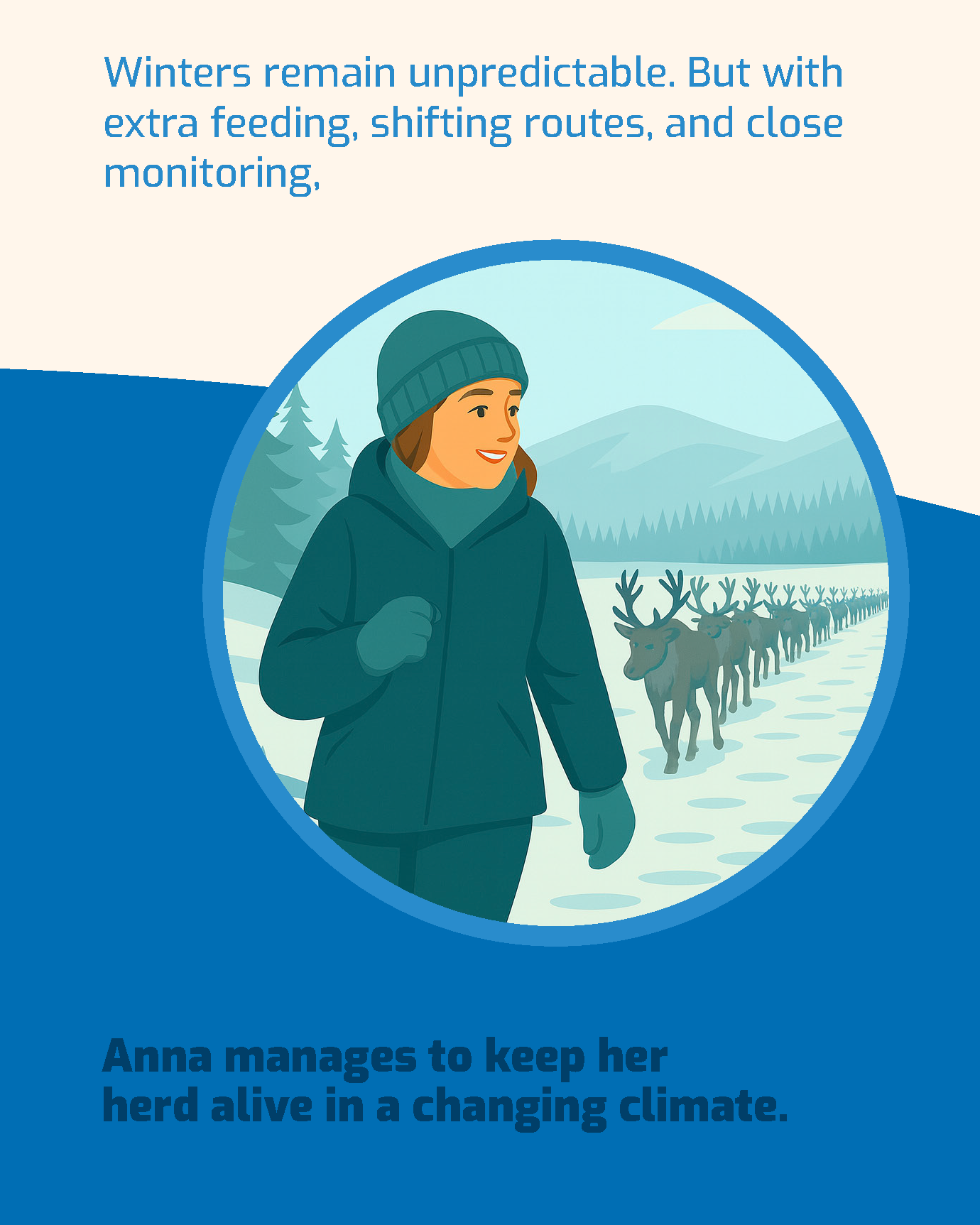
Real stories from Finland and The Netherlands show us the extent to which the climate crisis impacts crop production and livestock farming.
These examples show that targeted changes in farming methods can help address both climate and productivity challenges.












What is climate-smart agriculture?
Climate-Smart Agriculture (CSA) provides a framework for transforming farming, agri-food systems. Integrating knowledge, technology, and innovative practices into everyday farming, and tailored to local conditions and needs, CSA:
Enhances productivity sustainably
maintaining or increasing yields without depleting natural resources.
Builds resilience
equipping farms to withstand climate-related shocks.
Reduces greenhouse gas emissions
contributing to EU climate mitigation targets.
Adopting Climate-Smart Agriculture brings a range of environmental, economic, and social benefits. Environmentally, it improves soil health and fertility, enhances biodiversity, and helps reduce greenhouse gas emissions. Economically, CSA contributes to more stable and higher yields, lowers losses caused by extreme weather, and increases the competitiveness and resilience of farms. Socially, it strengthens food security, supports rural livelihoods, and empowers farmers to actively participate in Europe’s green transition.
CSA practices are aligned with the European Green Deal, guiding Europe’s transition toward green, climate-resilient, and biodiversity-friendly agriculture. Adopting CSA is not optional – it is essential for Europe’s agriculture to remain productive, sustainable, and resilient in the face of climate change. By equipping farmers with the knowledge, tools, and practices needed to adapt, CSA supports Europe’s broader environmental and climate objectives while safeguarding rural communities and food systems.