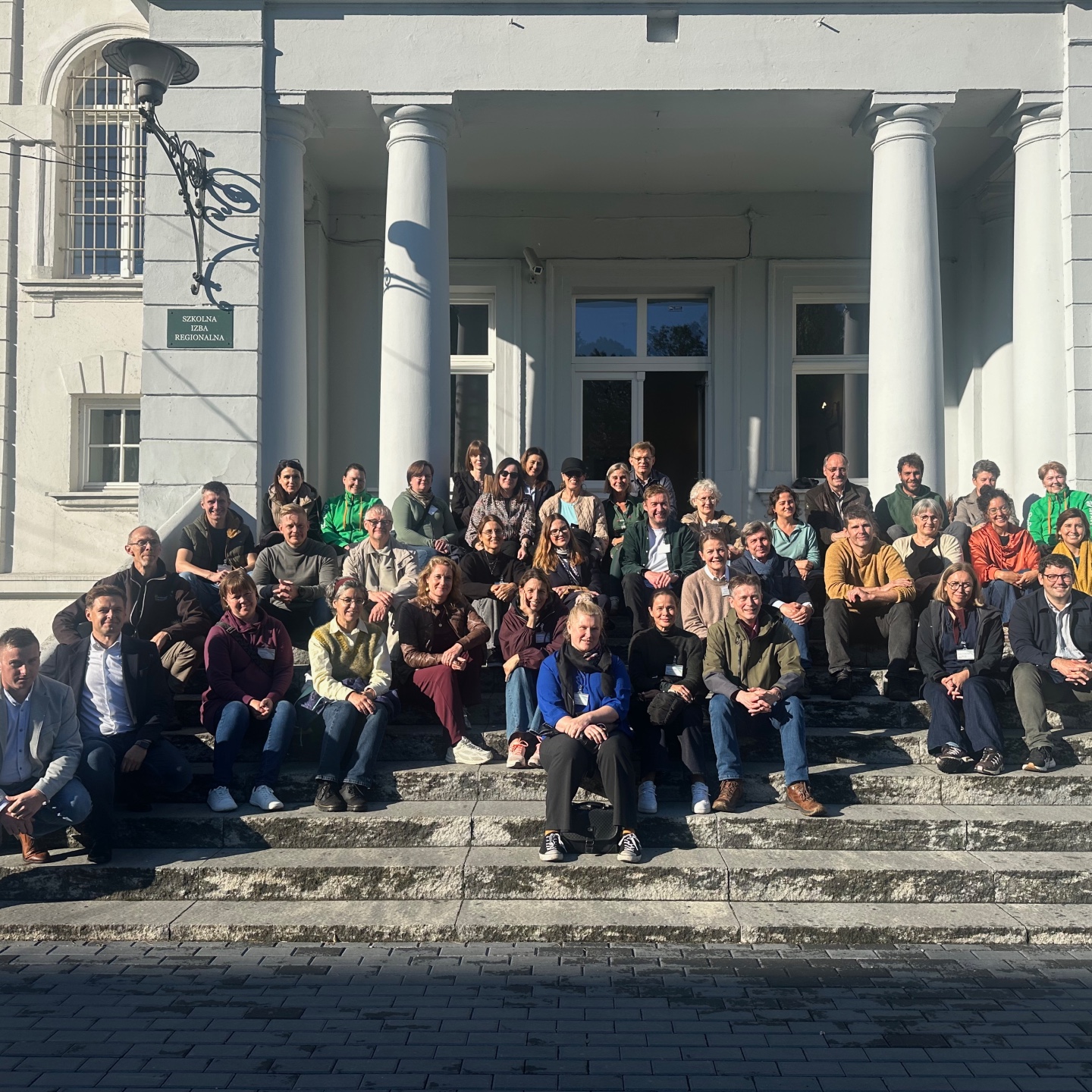
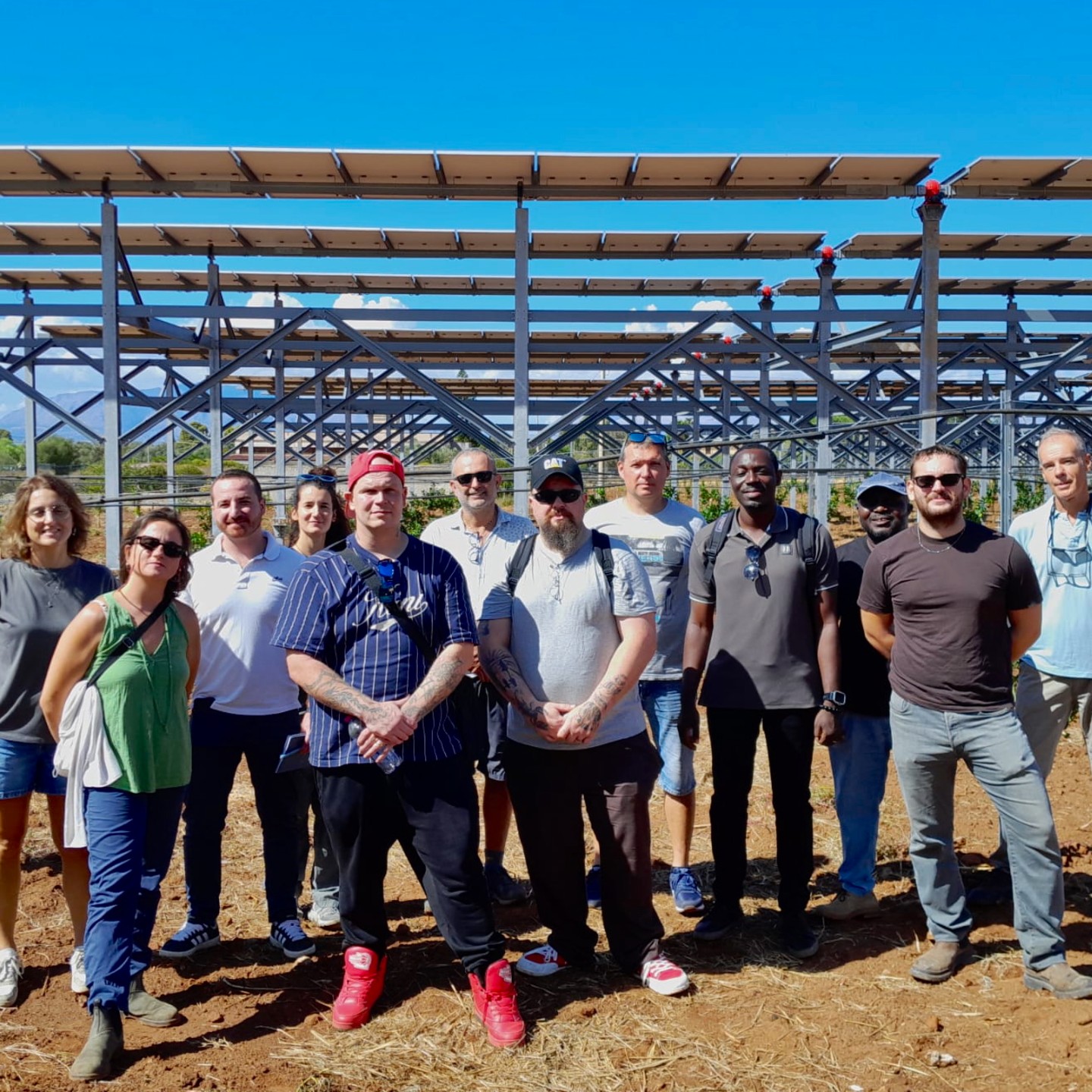
How can climate-smart agriculture move from ambition to practice, without losing sight of farmers’ realities? This question framed discussions throughout the EVECSA transnational partners meeting held in January in Kälviä, Finland and hosted by KPEDU.
Bringing together partners from across Europe, the meeting offered a space to reflect on common challenges, examine concrete approaches, and consider how skills development can support long-term transitions in agriculture and forestry.
Learning from practice
Speaking both from personal farming experience and his discussions with farmers from across Finland, Niko Hyppönen, Operations Manager at MTK Keski-Pohjanmaa (the main advocacy organisation for farmers, forest owners and rural entrepreneurs), explained how climate action in agriculture is being approached in Finland – starting from farmers’ realities.
From soil management to energy production, the emphasis is on adapting practices to local realities rather than applying uniform solutions. This approach resonated strongly with the EVECSA partners, many of whom face similar tensions in their own regions.
Climate-smart practices must be aligned with farm-level decision-making. Measures that reduce emissions or enhance carbon sequestration are more likely to be adopted when they also support productivity, resilience and long-term profitability. Conversations around sustainable intensification highlighted how precision farming, smart input use and responsiveness to market demand can reduce emissions per unit of output while maintaining competitiveness.


Attracting the next generation to agriculture
Participants discussed how education and training systems can play a role here, by equipping learners with the skills needed to assess trade-offs, work with data, and integrate sustainability into everyday farm management.
Yet vocational education and training is facing its own challenge of attracting new generations to agriculture and forestry. Sharing experiences and best practices on student recruitment, the partners reflected on how interest in agricultural careers is often shaped well before young people enter formal training pathways.
They explored ways to introduce agriculture, food systems and sustainability at an early age – including through fun activities with primary school children – to challenge outdated perceptions of the sector and spark curiosity from the outset.
Collaboration is key to overcoming the challenges
No actor can drive these efforts alone: education providers, farmers, researchers, companies and public authorities each hold part of the solution. Within the Centres of Vocational Excellence (CoVEs) being developed as part of EVECSA, cooperation between these actors is what allows knowledge to circulate, skills to remain relevant, and innovation to respond to real needs.
Discussions highlighted how working across institutional and sectoral boundaries helps align training with practice, supports the uptake of climate-smart solutions, and ensures that sustainability goals are grounded in everyday agricultural realities rather than remaining theoretical.
Rather than producing a single model to replicate, the meeting in Finland helped partners articulate a shared direction. The insights gained will inform how each CoVE develops training offers, engages stakeholders and supports learners to navigate the transition toward more sustainable agricultural and forestry systems.
Explore further with photos from the meeting