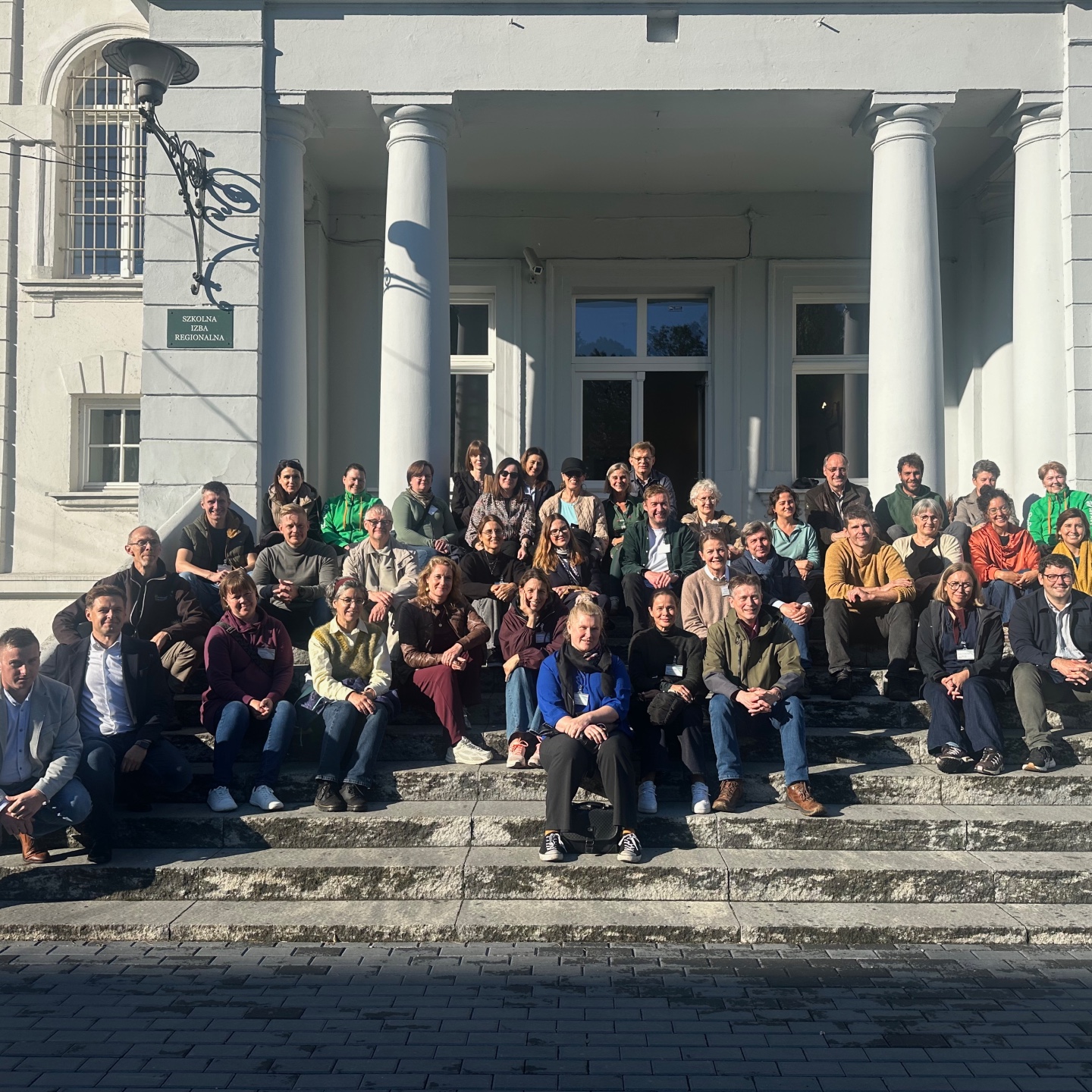
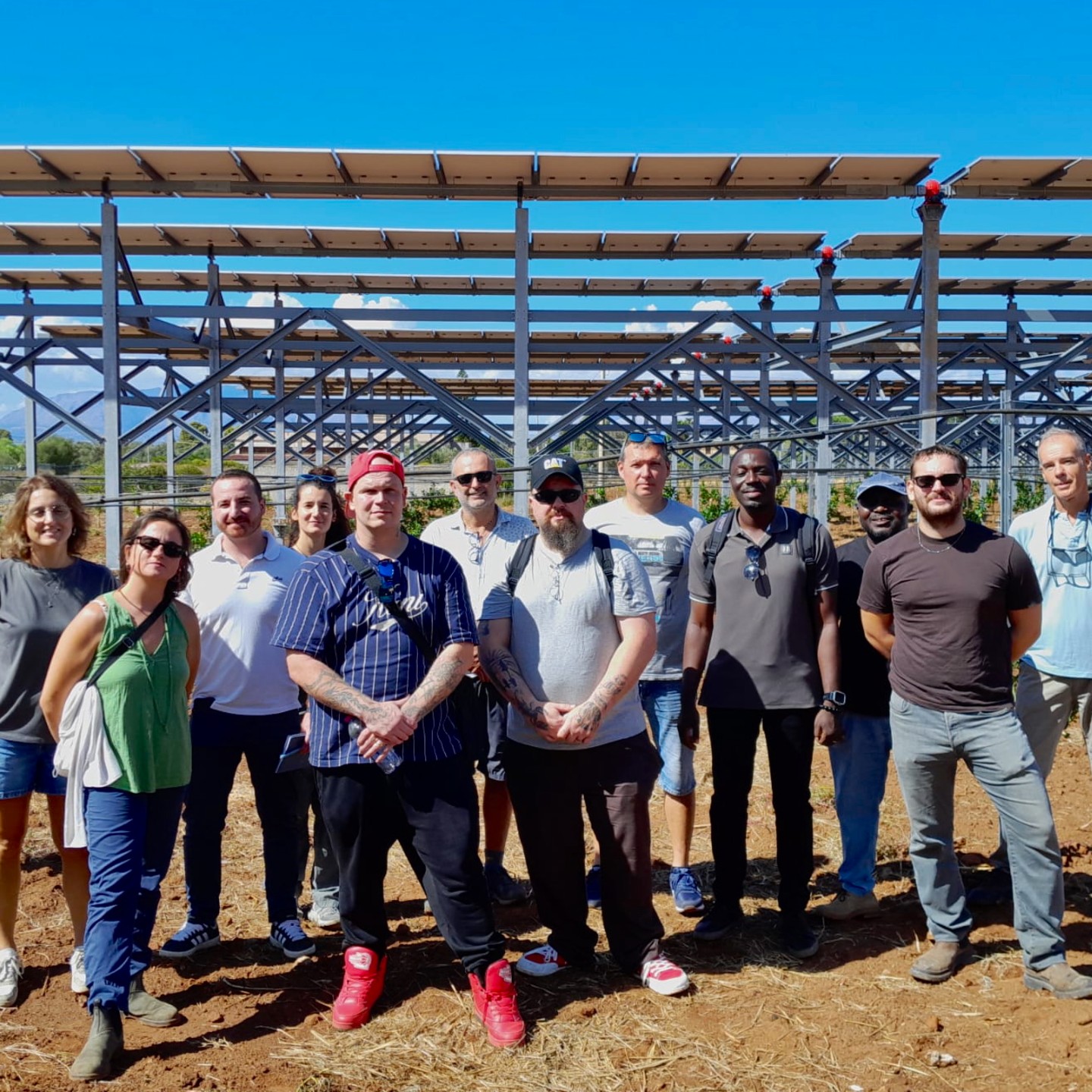
Public-Private Partnerships (PPPs) are essential for modernising agricultural education and ensuring that Climate-Smarte Agriculture (CSA) becomes a regional standard.
Drawing from 16 successful models across Europe, here are the top 10 findings to maximise the impact of these collaborations.
1. Prioritise real-life learning environments
The most successful PPPs move beyond the classroom. Approximately 13 out of 16 analysed activities rely on real-life experiences, such as on-farm training or practical workshops. Learning directly in real-world settings is cited as one of the most valuable aspects of knowledge transfer, as it grounds theoretical concepts in the “productive reality” of the sector.
2. Bridge the gap between theory and practice
Maximising a partnership requires a seamless mix of theoretical learning and practical application. Combining classroom-based instruction with hands-on experience is considered a major strength in the EVECSA models, ensuring that students and professionals can immediately apply new agricultural techniques or technologies.
3. Leverage VETs and CoVEs as intermediaries
AgroVET schools and Centres of Vocational Excellence (CoVEs) are the “translators” of the agricultural world. They play a critical role in converting the needs of the private sector into applied knowledge and curricula adaptations, ensuring that the training remains relevant and meaningful for the community.
4. Focus on multi-actor collaboration
The strongest value is created when diverse profiles — farmers, students, researchers, and public administrators — interact. This multidisciplinary approach strengthens projects by providing scientific support while ensuring that the solutions are practical for those working in the field.
5. Align training with labour market needs
To maximise impact, PPPs should be designed with clear integration into jobs and careers. Activities that align their content with current market needs or offer official certifications help ensure long-term sustainability and improve labour insertion for participants.
6. Treat knowledge as the primary currency
While funding is necessary, the main exchange in a successful PPP is knowledge, not just capital. In all 16 cases studied, knowledge was the core driver, with economic exchanges (often from public subsidies) usually serving as a complement to support the transfer of expertise.
7. Invest in quality coordination and communication
Weak communication is a frequent pitfall in collaborations. Conversely, the quality of coordination between agents is repeatedly identified as a key success factor. Dedicated coordinators and clear communication channels are essential to prevent partnerships from becoming “narrow” or ineffective.
8. Design for replicability and scalability
A model shouldn’t just work once; it should be scalable to other schools or countries. Many EVECSA partners identified the potential for their models to be adapted internationally, which maximises the return on the initial investment in project design.
9. Address the funding sustainability gap early
The single greatest threat to PPPs is dependency on short-term or unstable funding. Many projects struggle to remain economically sustainable year after year. Maximising a PPP requires a long-term strategy to move from grant dependency toward market sustainability or stable public-private support.
10. Expand the network to prevent “mentor burnout”
Relying too heavily on a small group of farmers or mentors is a significant risk. To sustain a PPP, it is vital to continuously involve new agents — more farmers, students, and research centres—to ensure that the burden of participation is shared and interest remains high.
What would you add to the list?