The impact of climate change goes beyond hotter summers and more catastrophic events; it is changing how we farm. It is changing what can be grown, how resources are used, which skills farmers and agricultural professionals need, and where new opportunities can emerge.
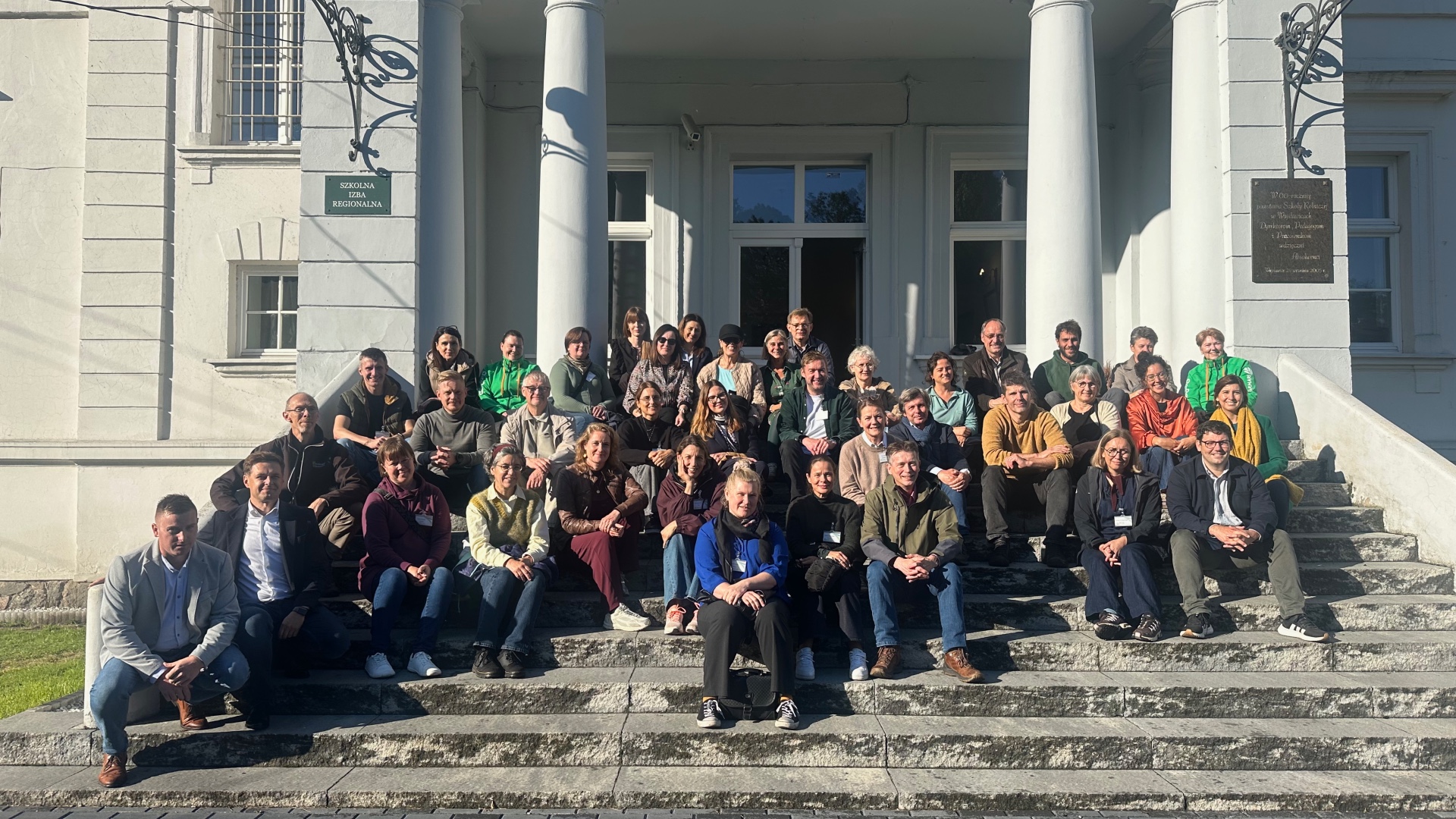
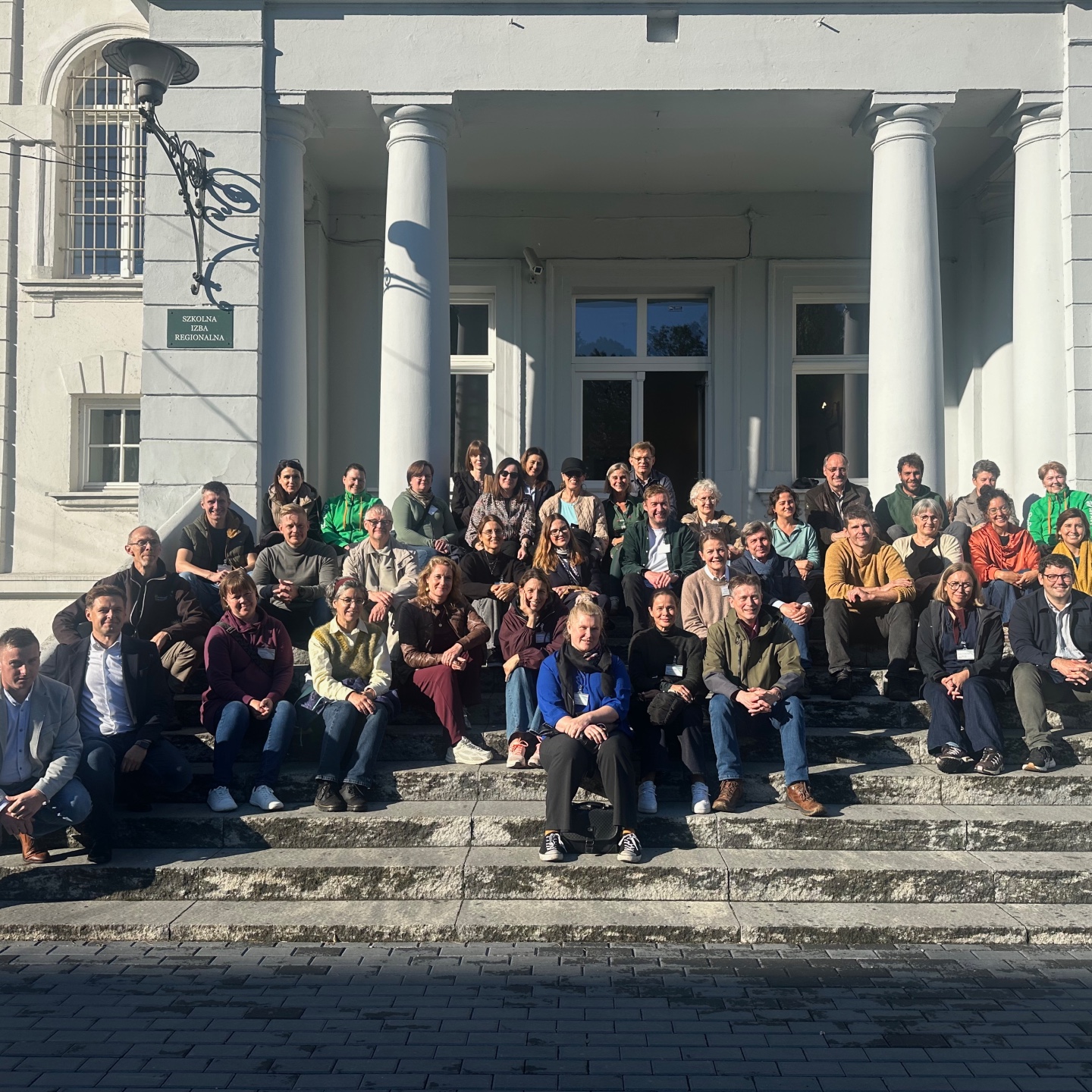
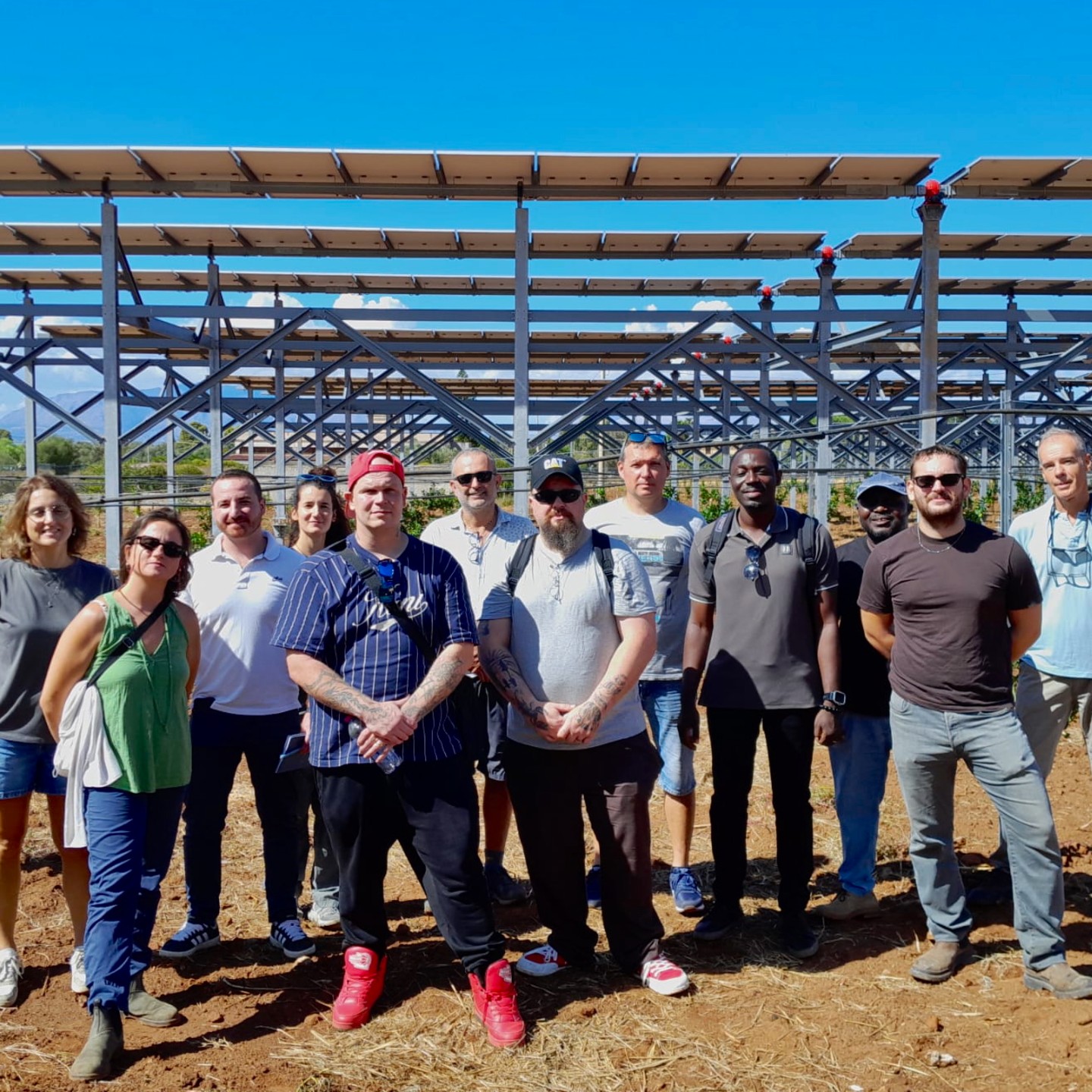
The EVECSA partners met in Wroclaw, Poland from 22 to 24 September 2026 to discuss and see in action two different sides of this transformation – from turning agricultural waste into renewable energy to producing wine in a region where viticulture is becoming increasingly viable. Both experiences pointed to the same conclusion: climate-smart agriculture depends not only on technology, but on people who can connect knowledge, innovation and practice.
Two sides of a changing agricultural landscape
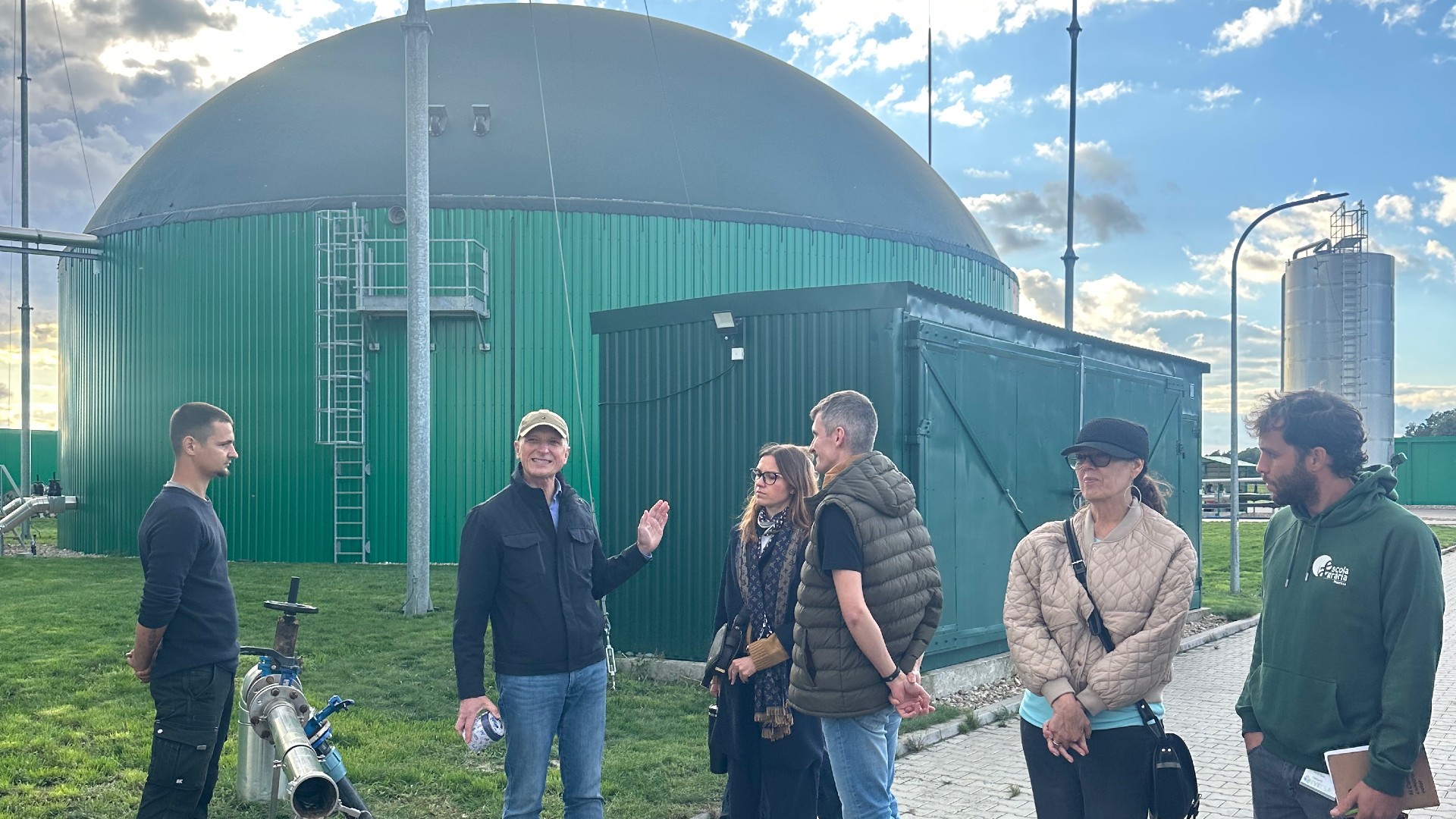
One of the meeting’s most striking moments was a visit to the Energia OZ biogas plant in Prusinowice. Here, the principles of the circular economy could be seen in practice: agricultural resources and waste become inputs for energy production, creating connections between farms, businesses and the wider agricultural sector.
But making circular systems work requires people who understand how different parts of the agricultural value chain fit together. In developing such skills, vocational education can play an important role in preparing learners to work with technologies and approaches that are already reshaping agriculture.
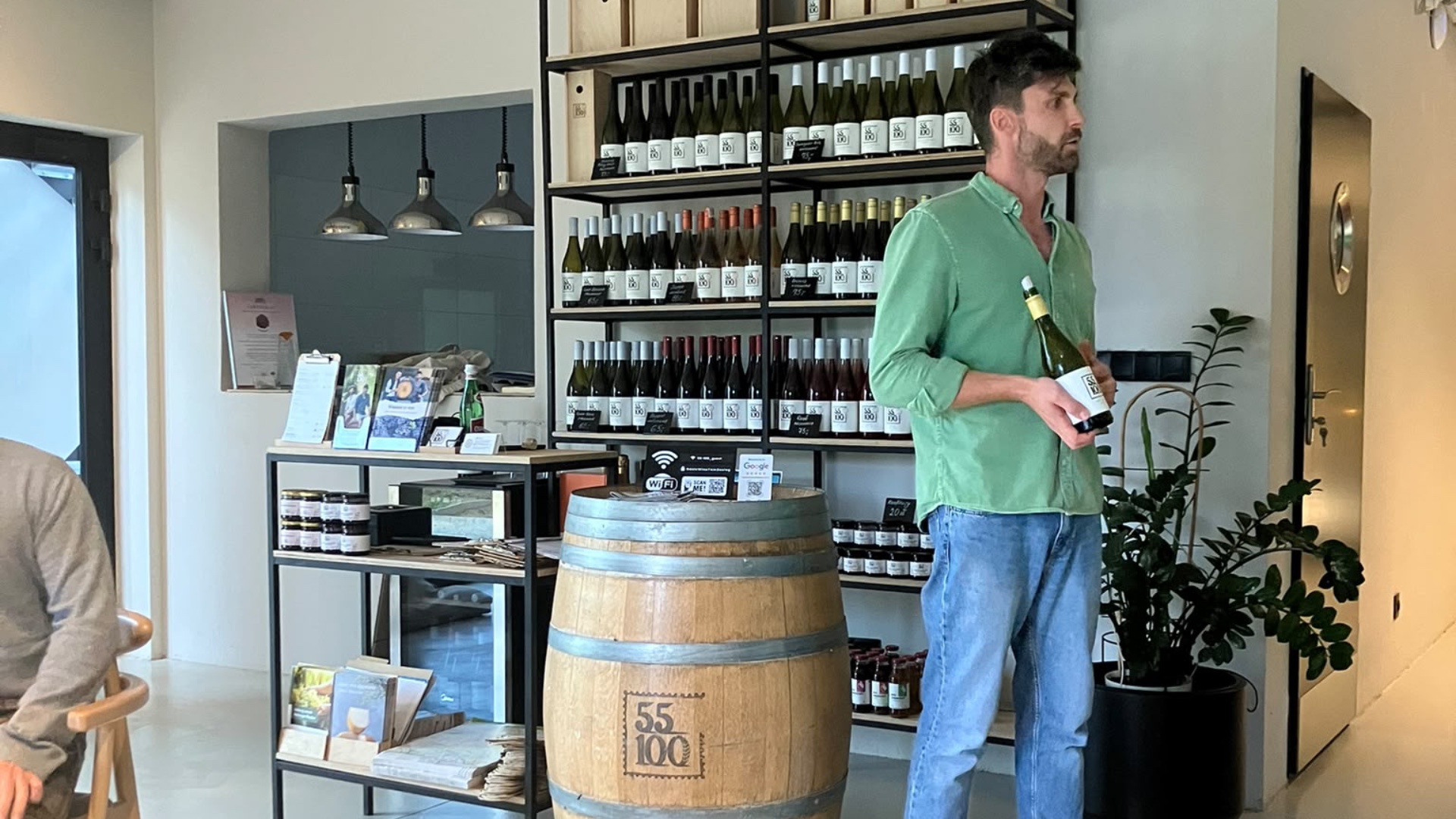
It can also prepare them to adapt and grasp new opportunities, as changing temperatures can open up new possibilities for farmers and the agri-food sector. In Poland, one example is that consistent wine production has become increasingly possible, as the EVECSA group learnt during a visit to the 55-100 vineyard.
But new opportunities also bring new challenges. Adapting to a changing climate means understanding new crops and production systems, managing new risks and developing the knowledge needed to make informed decisions.
Together, the two visits offered a useful picture of what climate-smart agriculture can mean in practice: reducing the environmental impact of agricultural production while adapting to the conditions that are already changing.
From knowledge to collaboration
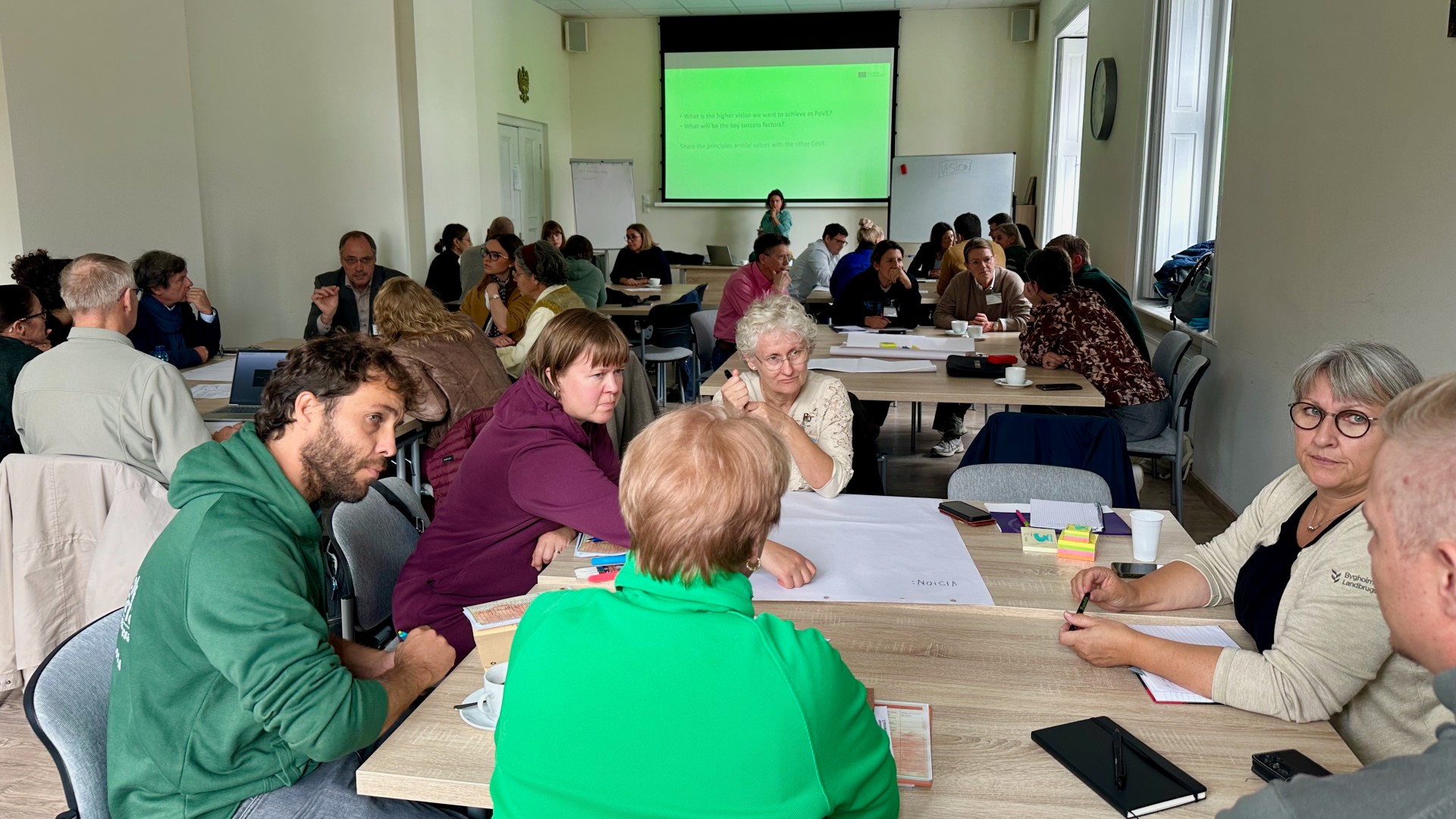
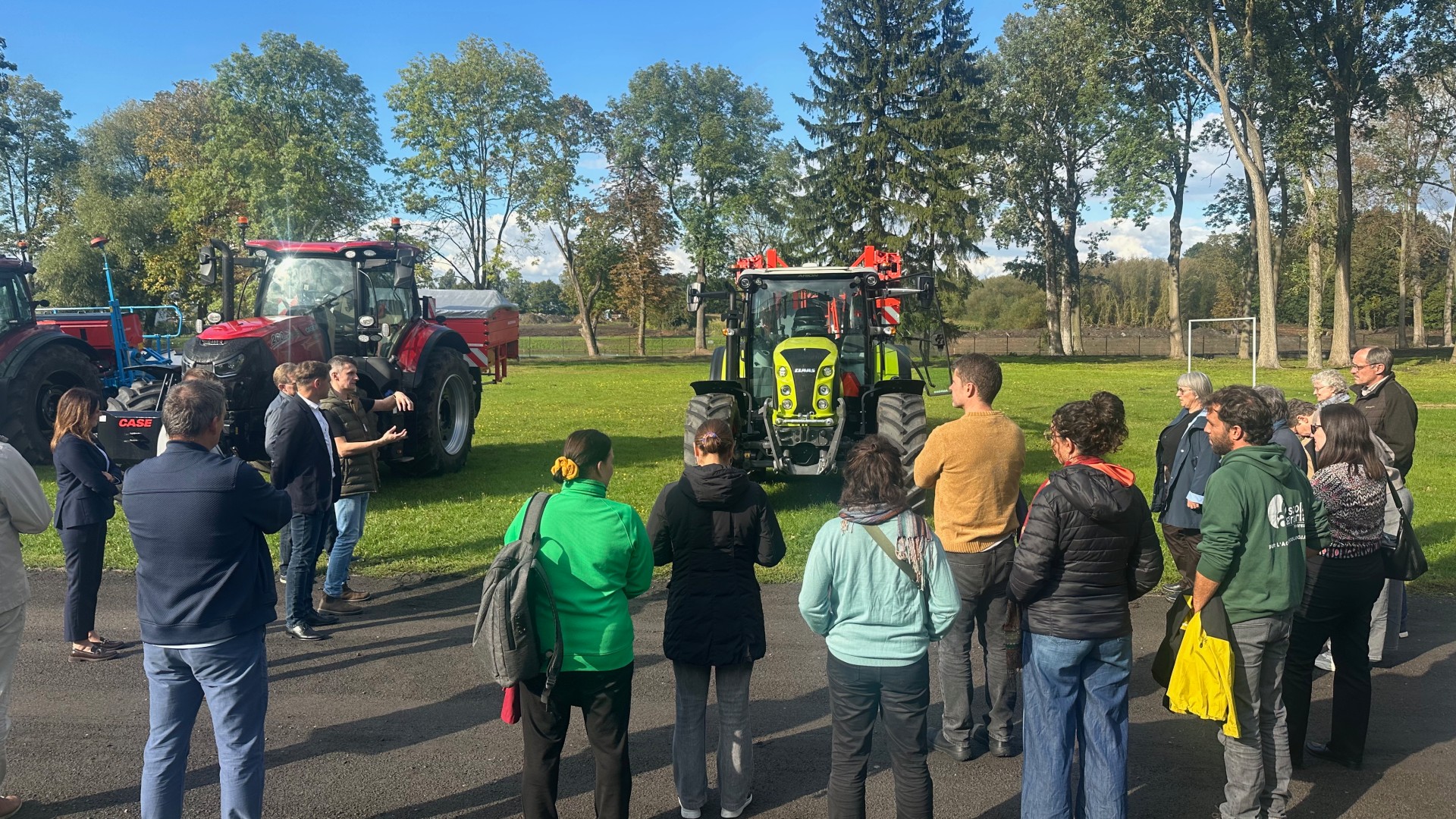
The meeting hosted by vocational school ZSCKR in Wojsławice expanded this perspective by bringing EVECSA partners into conversation with organisations from the Polish agricultural and vocational education landscape, including agricultural institutions, research and advisory organisations, businesses and vocational schools from the Łódź region.
Representatives from the Ministry of Agriculture and Rural Development, the Foundation for the Development of the Education System, the European Regional Centre for Ecohydrology of the Polish Academy of Sciences, the Łódź Agricultural Advisory Centre, the Institute of Soil Science and Plant Cultivation, Plant Breeding Smolice, SKY Agriculture and Agrinavia joined the exchange.
Bringing people from different parts of the agricultural ecosystem into the same conversation is a crucial part of the process. Farmers, educators, researchers, businesses and public and advisory organisations do not always face climate challenges from the same perspective; creating spaces where they can exchange knowledge is therefore part of building the capacity to respond.
Building the skills for agriculture’s next chapter
The transition to Climate Smart Agriculture is not something that can be delivered by one sector alone. It requires stronger links between vocational education, research, businesses, farmers and public actors – and it requires learning to move in both directions, from research and innovation into practice and from agricultural practice back into education and training.
From circular energy systems to emerging wine regions, the examples may look very different. But both point towards the same future: an agricultural sector that is better equipped to adapt, innovate and make the most of new possibilities while reducing its environmental impact.
Climate-smart agriculture starts with climate-smart skills – and those skills grow through collaboration.