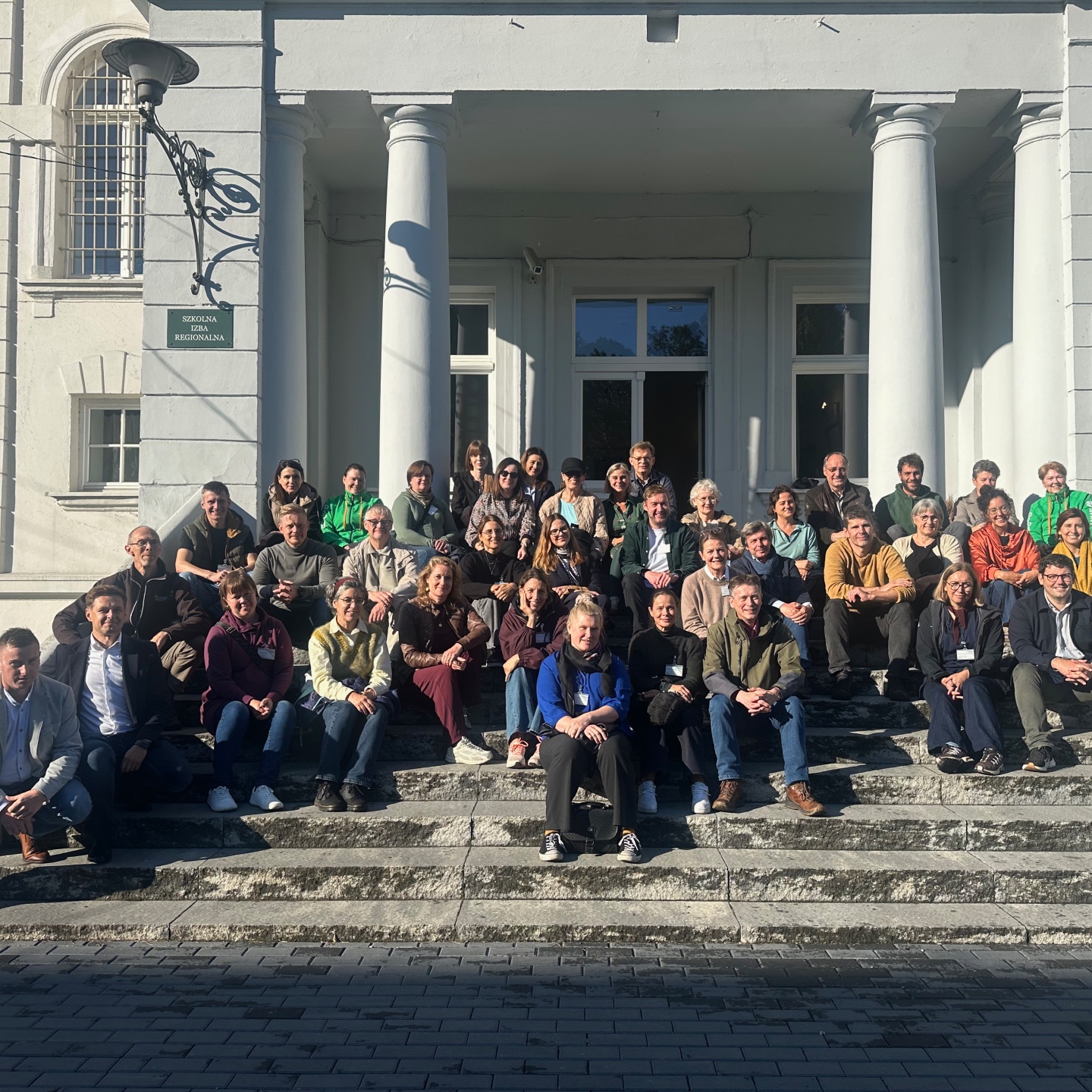
From 17 to 20 November 2026, CoVE Poland hosted an international Peer Visit that included educational workshops, a study visit to ZSCKR Wojsławice and a Partnership Forum dedicated to Climate-Smart Agriculture (CSA).
Bringing insights from research and industry practice into everyday farming as well as vocational curricula is key to mainstreaming CSA.
Participants discussed the role of Centres of Vocational Excellence (CoVE), the need to transfer knowledge and innovation into practice, how to build skills for regenerative, precision, and climate-resilient farming, possibilities for joint training, internships, and pilot projects, as well as the long-term sustainability of the CoVE Poland partnership.
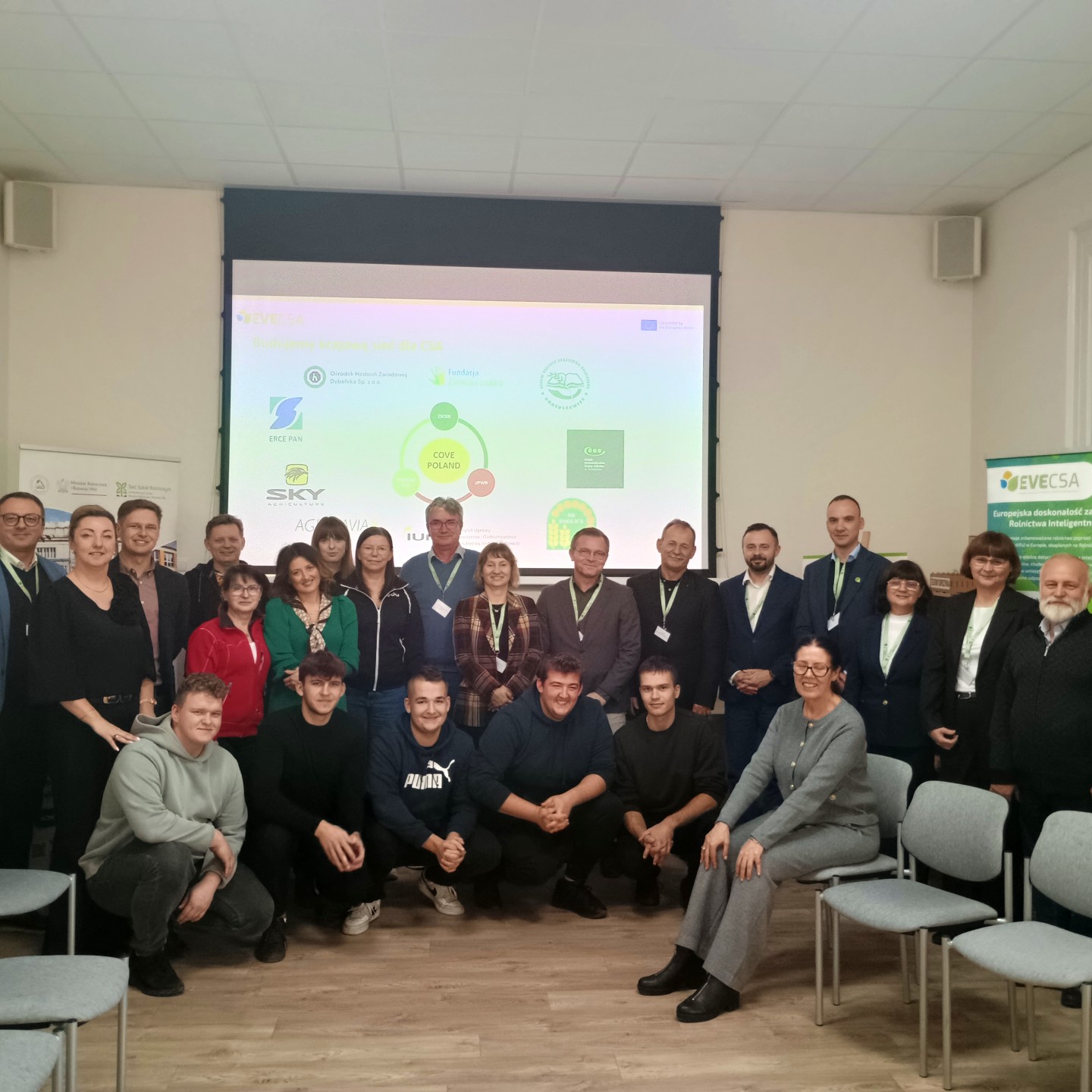
The CoVE Poland Partnership Forum on Climate Smart Agriculture, hosted by Zespół Szkół Centrum Kształcenia Rolniczego in Wojsławice, brought together representatives from academia, vocational education, agricultural administration and advisory bodies, as well as agribusiness leaders driving modern farming forward. Delegations from Finland and the Netherlands also took part, giving the gathering a strong European dimension and creating space to exchange practical insights and proven approaches across borders.
Climate Smart Agriculture – a shared challenge and responsibility
The core objective of the Forum was to strengthen cooperation linking vocational schools, researchers, agricultural institutions, and industry while working together on practical responses to today’s farming challenges.
Discussions placed particular emphasis on:
- equipping future farmers with climate-ready competencies,
- adapting farms to climate change and managing water resources wisely,
- technological innovation, precision agriculture, and digital farm tools,
- turning scientific research into everyday farm practice.
Participants also highlighted how vocational agricultural schools prepare young people for modern agri-food careers and why close ties with employers and research institutes are essential.
From discussion to concrete action
The agenda featured an introduction to the CoVE Poland partnership, a presentation by Finnish education representative Leena Ketola, and a panel discussion titled “From Education to Practice – Building Strong Partnerships for Climate Smart Agriculture.”
A central part of the programme was the international partnership workshop “From Discussion to Action – What Can We Develop Together?” Working in teams, participants explored ways to build climate-smart skills, streamline cooperation between research, schools, and businesses, and bring innovative solutions into agricultural practice.
The Forum concluded with the signing of partnership agreements laying the groundwork for joint initiatives, ongoing collaboration, and new opportunities in vocational training and upskilling.
Distinguished guests and partners
The Forum welcomed representatives from a wide range of institutions and companies:
- Research & Academia – Wrocław University of Environmental and Life Sciences (UPWr), European Regional Centre for Ecohydrology of the Polish Academy of Sciences (ERCE PAN), and the Institute of Soil Science and Plant Cultivation – State Research Institute (IUNG-PIB)
- Agricultural & Advisory Institutions – Łódź Agricultural Advisory Centre in Bratoszewice (ŁODR) and the Research Centre for Cultivar Testing (COBORU) Experimental Station in Sulejów
- Agribusiness & Industry – SKY Agriculture, AGRINAVIA, Ośrodek Hodowli Zarodowej Dębołęka sp. z o.o., and Hodowla Roślin Smolice
The meeting also offered direct exchanges with EVECSA partners from Finland and the Netherlands, who shared how vocational education connects with industry and agricultural institutions in their home countries.
ZSCKR in Wojsławice – an active partner in European cooperation
Hosting the Forum showed that a vocational agricultural school can do far more than train future agricultural workers – it can also serve as a hub where diverse communities meet, share knowledge, nurture innovation, and launch regional, national, and European partnerships.
For ZSCKR in Wojsławice, taking part in EVECSA and growing the CoVE Poland partnership marks an important step toward modernising vocational training, aligning it more closely with labour market needs, and preparing students for the realities of a changing climate.
Above all, the Forum underscored that a climate-resilient agricultural future relies on partnership: science brings knowledge, schools build skills, institutions support development, and businesses provide technology and hands-on solutions. Bringing these strengths together helps prepare agriculture far more effectively for what lies ahead.