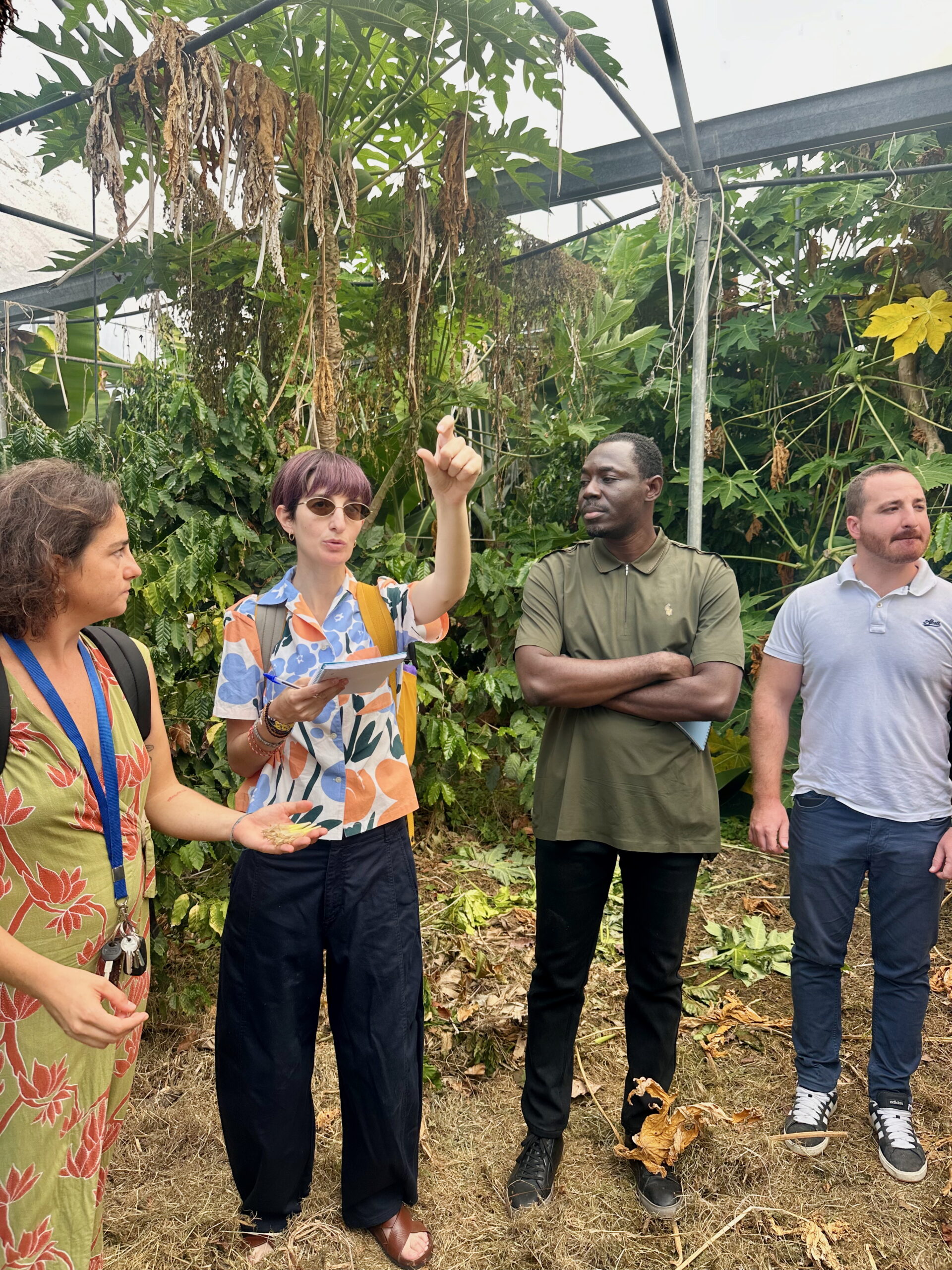
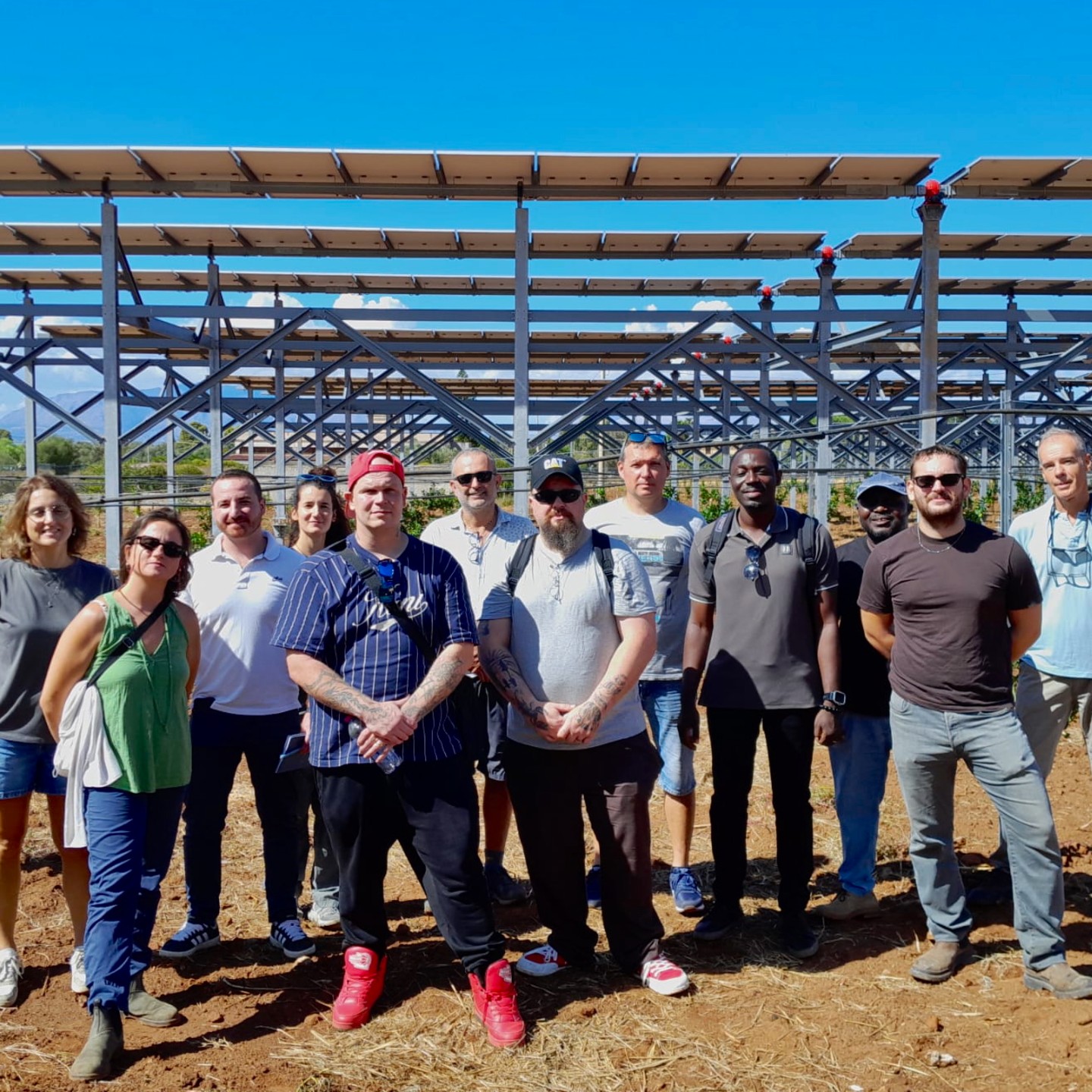
An international delegation spent three days in Sicily last week as part of the EVECSA project, exploring how solar energy production, sustainable agriculture, and community resilience can work together.
The group included participants from Finland, Poland, and Ghana, and several local Sicilian organisations.
Agrivoltaics in practice
The visit opened with a presentation of a local agrivoltaic installation, which combines solar panel infrastructure with active farmland. The host and EVECSA partner, LAND Impresa Sociale, outlined its plans for the site as a hub for ecological transition, directly connected to EVECSA’s broader goals.
Researchers from the University of Palermo then shared findings from an ongoing study comparing lemon trees grown underneath the panels with those grown in open fields. The comparison gives the project concrete data on how agrivoltaic systems affect crop growth and plant health, rather than relying on assumptions about the trade-offs between energy production and farming.
Intercropping and market value
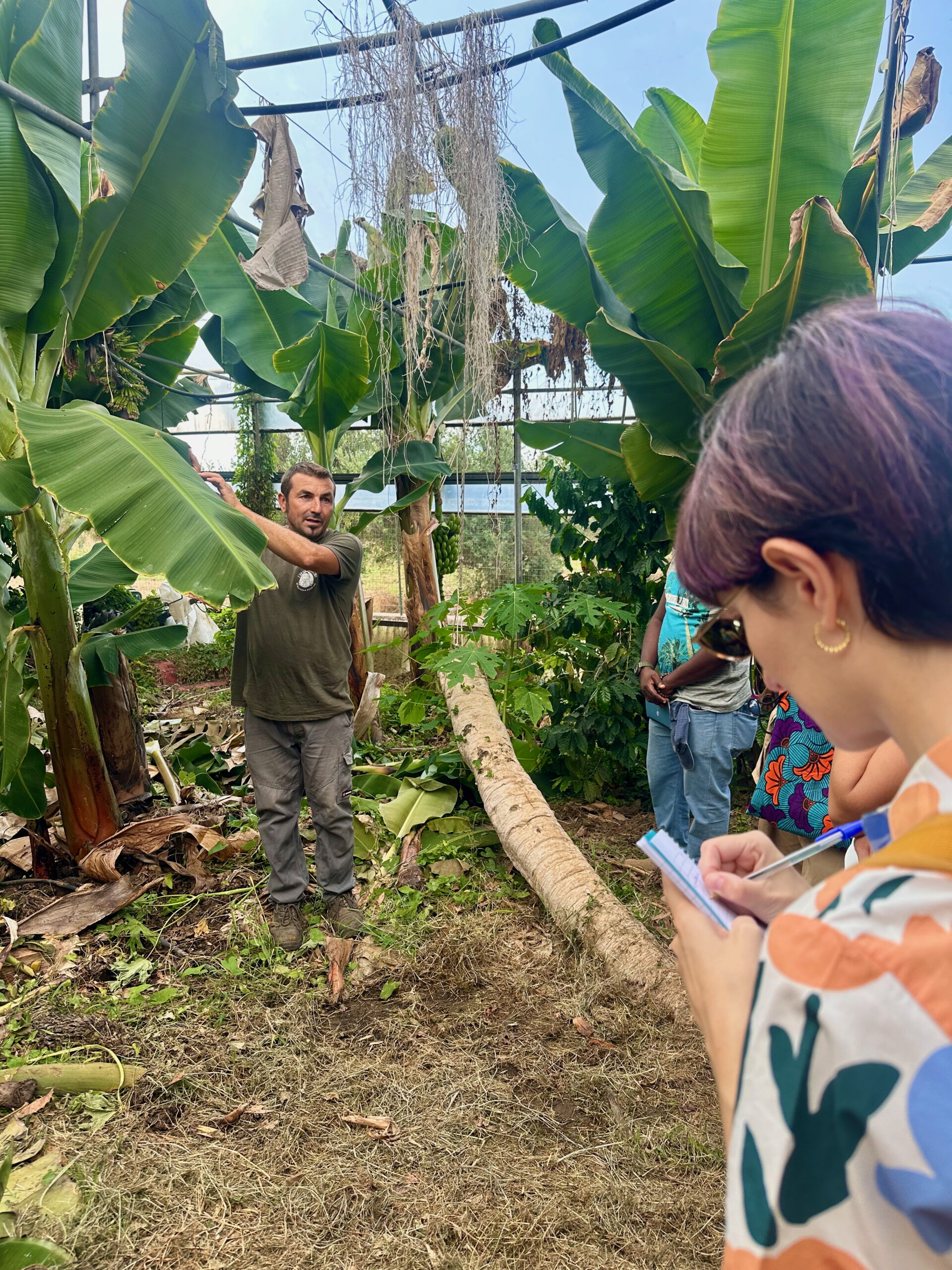
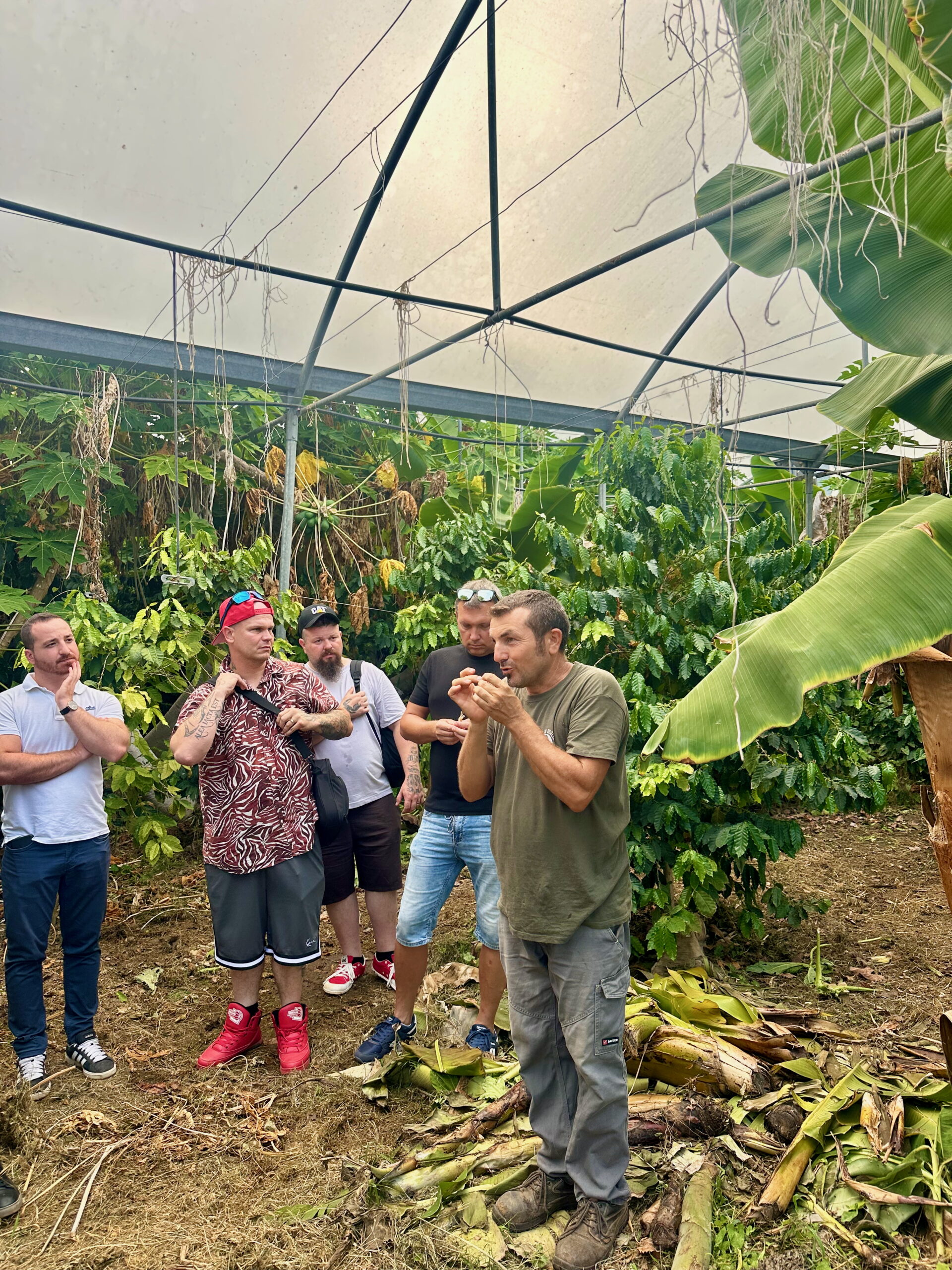
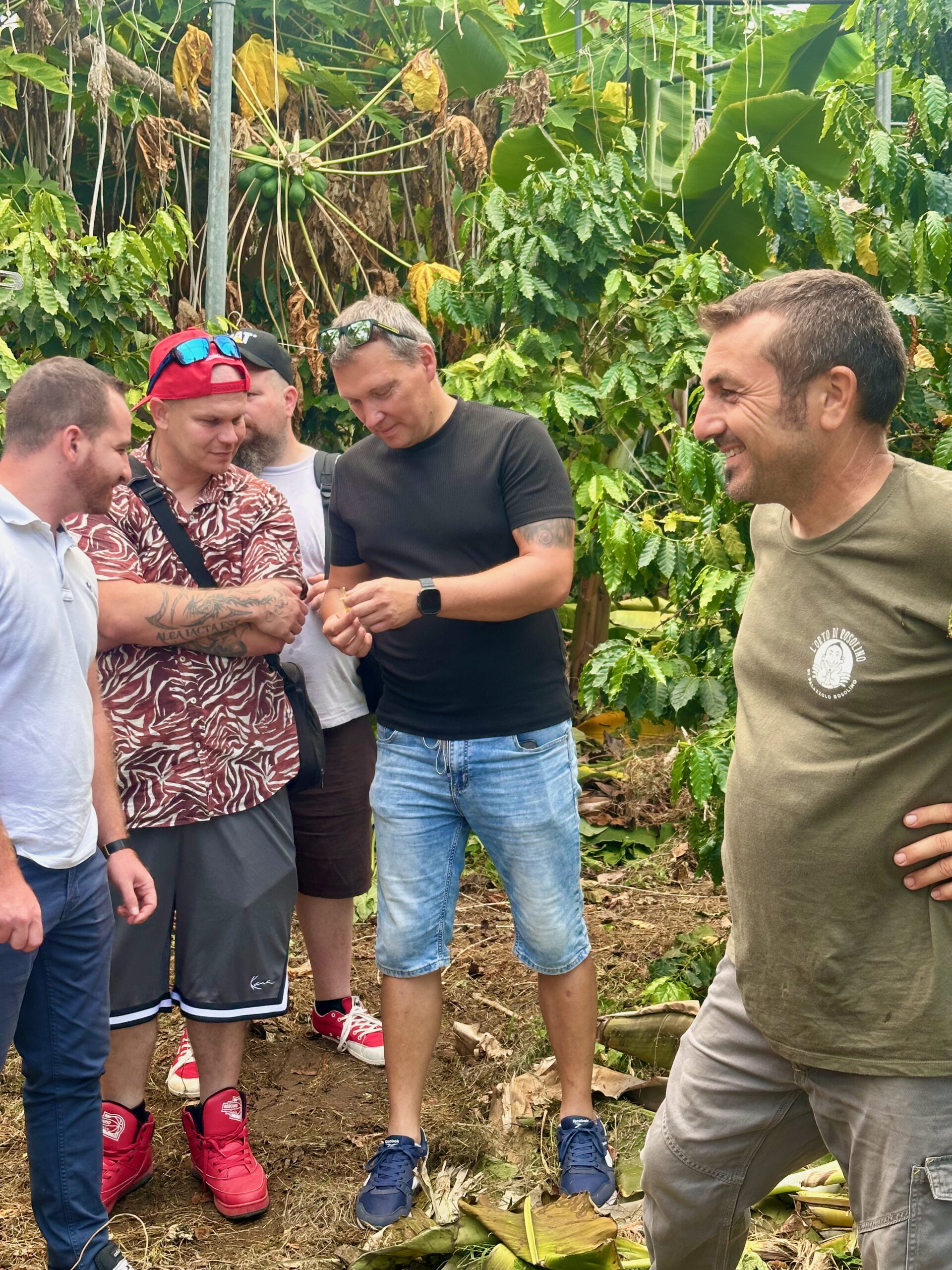
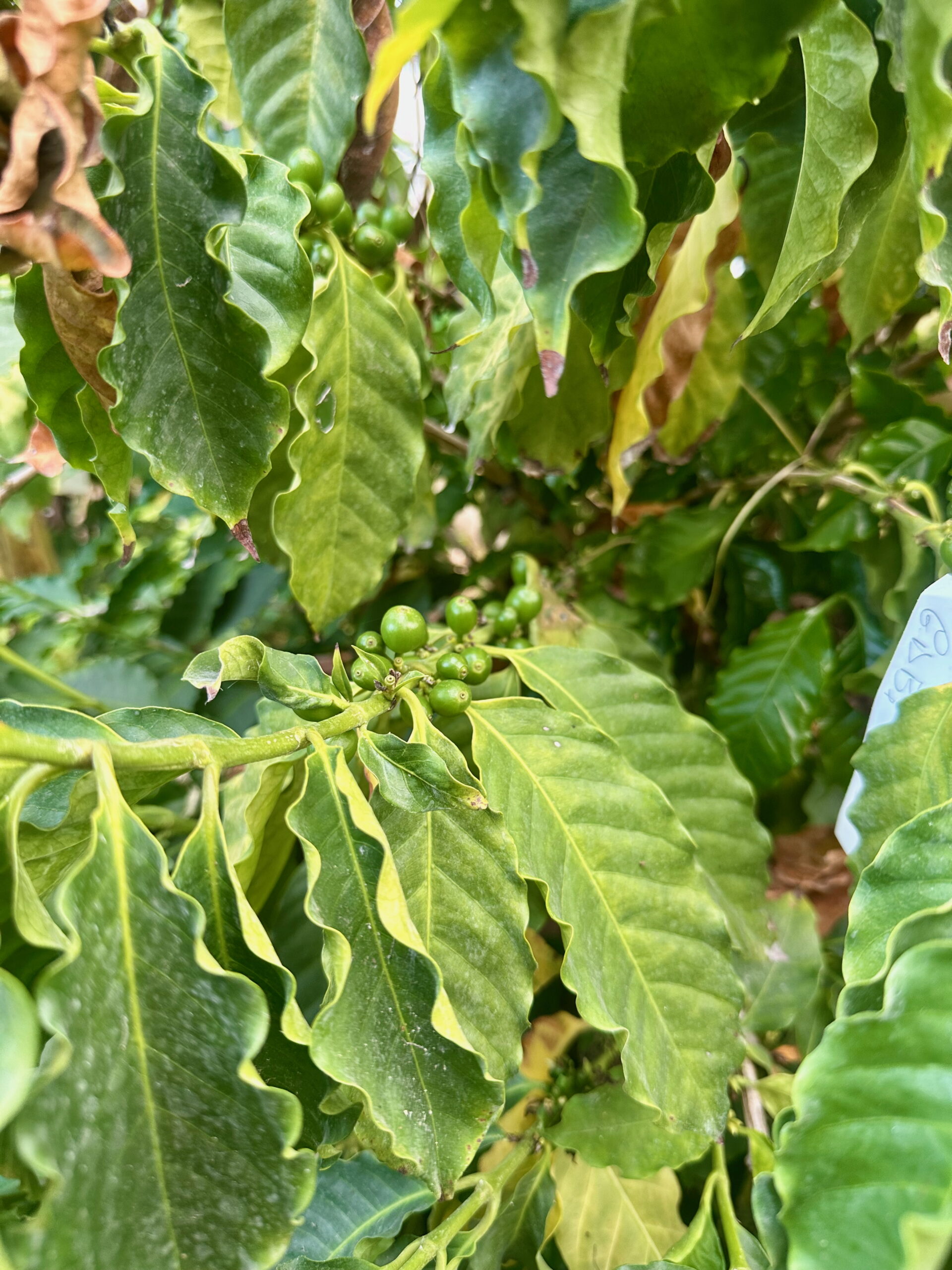
The delegation also visited the Orto di Rosolino, where the founders explained how their greenhouses operate and how they use intercropping to grow tropical fruit. This technique involves planting different species together so they support each other’s growth, reducing the need for external inputs.
The visit also covered how Sicilian producers add value to their goods as they move through national and international supply chains, a point of particular interest to participants from countries with very different agricultural markets.
Community resilience, past and present
A separate session focused on Danilo Dolci, a historical figure known for his social activism in Sicily. The presentation covered his approach to organising communities and resisting social and economic pressure, and connected his methods to how communities build resilience today.
The three days gave participants a working model of how climate adaptation, agricultural innovation, and social cohesion reinforce each other on the ground. For a project like EVECSA, which brings together partners from different countries and agricultural contexts, seeing these elements applied together in one region offers a useful reference point for what integrated, climate-smart development can look like in practice.